Boost Your Skills in Diabetes Management and Therapeutic Massage – Diploma
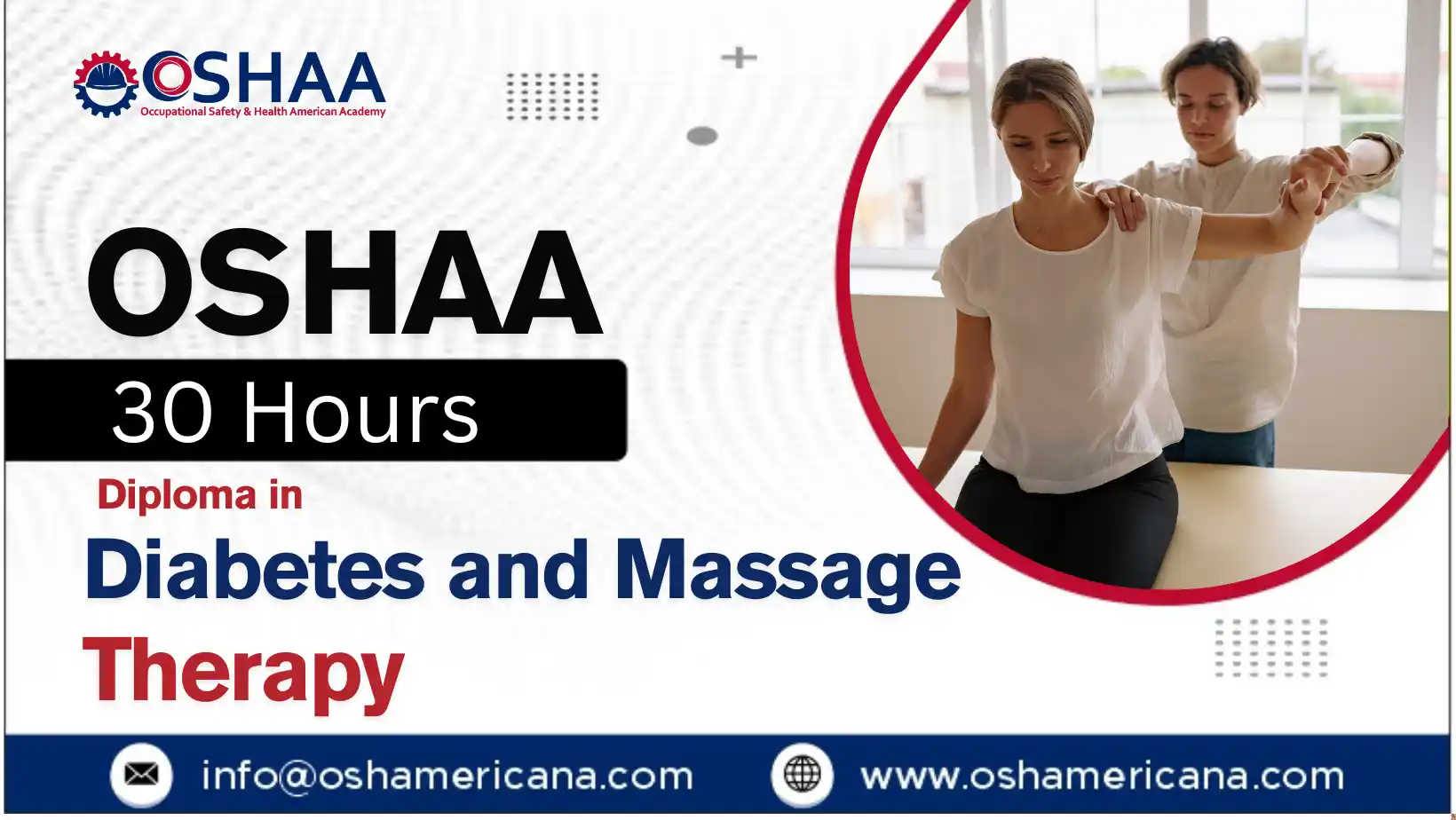
The OSHAA 30-Hours Professional Diploma in Diabetes and Massage Therapy offers a specialised and professionally tailored programme aimed at equipping participants with the knowledge and practical skills to support diabetic care through therapeutic massage. This course is designed in line with UK professional standards, focusing on evidence-based approaches that contribute to holistic diabetes management.
The 30-hour curriculum blends theoretical insights with hands-on applications, ensuring that participants understand both the physiological complexities of diabetes and the practical application of massage interventions. Topics covered include the pathophysiology of diabetes, safe massage protocols, contraindications, and the importance of client monitoring during sessions.
Participants are guided through the nuances of massage techniques appropriate for individuals with neuropathy, circulatory issues, and skin sensitivity—common complications associated with diabetes. The course also explores stress management through massage, a key consideration given the role stress can play in blood sugar fluctuation.
The OSHAA 30-Hours Professional Diploma in Diabetes and Massage Therapy is more than just a qualification—it’s a step towards making a meaningful impact in the lives of individuals managing a complex chronic condition. By combining clinical knowledge with therapeutic practice, participants are empowered to deliver care that is compassionate, effective, and professionally informed.
OSHAA 30-Hours Professional Diploma in Diabetes and Massage Therapy
- Age: 16+ years.
- Education: Minimum high school or equivalent; diplomas or certificates in healthcare, physiotherapy, wellness, or related fields are advantageous.
- Language: Basic English proficiency to understand course materials.
- Experience: Prior experience in massage therapy, healthcare, or patient care is helpful but not required.
Study Units
Learning Outcomes
Introduction to Diabetes: Types, Causes, and Complications (3 Hours)
- Understand the different types of diabetes and their underlying causes
- Recognise the short- and long-term complications associated with unmanaged diabetes
- Explain the impact of diabetes on various systems of the body
Anatomy and Physiology Related to Diabetes (3 Hours)
- Identify the organs and systems affected by diabetes
- Describe the role of insulin and glucose metabolism
- Understand how anatomical and physiological changes influence massage therapy considerations
Principles and Benefits of Massage Therapy in Diabetic Care (4 Hours)
- Explore the therapeutic value of massage in managing diabetes
- Discuss the physiological effects of massage on circulation, stress, and pain
- Explain how massage supports holistic care in diabetic management
Safe Practice Guidelines and Contraindications for Diabetic Massage (6 Hours)
- Identify contraindications and precautions specific to diabetic clients
- Apply safety measures to prevent adverse effects during massage
- Demonstrate correct draping, pressure, and positioning techniques for at-risk clients
Circulatory and Neurological Considerations in Massage for Diabetes (4 Hours)
- Understand the impact of peripheral neuropathy and poor circulation on treatment planning
- Learn methods to enhance blood flow safely through massage
- Adapt massage techniques for clients with reduced sensation or vascular issues
Massage Techniques for Stress Reduction and Blood Sugar Regulation (3 Hours)
- Apply targeted techniques to reduce cortisol and promote relaxation
- Explain the relationship between stress and glycaemic control
- Integrate massage into wellness plans to support emotional and metabolic balance
Managing Neuropathy and Musculoskeletal Pain through Massage (4 Hours)
- Recognise symptoms of diabetic neuropathy and joint/muscle discomfort
- Employ therapeutic techniques to relieve pain and improve mobility
- Monitor client feedback to adapt interventions effectively
Client Assessment and Monitoring Protocols (3 Hours)
- Conduct thorough consultations and health screenings
- Monitor vital signs and blood sugar levels before and after sessions
- Maintain accurate records and communicate findings professionally
Course Benefits – OSHAA 30-Hours Professional Diploma in Diabetes and Massage Therapy
This diploma equips participants with the knowledge and practical skills to support diabetes management through therapeutic massage. Learners gain expertise in enhancing patient wellbeing, improving circulation, and applying safe, evidence-based techniques for individuals with diabetes.
- Develop expert knowledge in diabetes care and understand the role of massage therapy in managing symptoms.
- Learn practical massage techniques tailored for diabetic patients to improve circulation, reduce stress, and enhance overall wellness.
- Understand safety protocols and contraindications specific to diabetes care.
- Apply evidence-based strategies to support blood sugar management, relaxation, and patient comfort.
- Enhance professional credibility with a recognised OSHAA-accredited diploma.
- Boost career opportunities in healthcare, physiotherapy, wellness, and therapeutic massage roles.
- Gain skills for immediate practical use in clinics, care centers, or private practice.
- Improve patient outcomes through integrative, holistic approaches combining diabetes knowledge and massage therapy.
This course is designed for participants who wish to expand their expertise in therapeutic practices that support individuals living with diabetes. It is particularly suitable for:
- Massage therapists seeking to specialise in diabetic care
- Health and wellness professionals aiming to integrate massage into chronic condition management
- Physiotherapists and rehabilitation practitioners looking to diversify treatment approaches
- Caregivers and support workers who assist clients with diabetes
- Holistic therapists interested in enhancing their understanding of medical considerations in bodywork
- Fitness and lifestyle coaches working with diabetic populations
- Individuals with a strong interest in health sciences and complementary therapy practices
Participants do not require prior medical qualifications, but a foundational understanding of anatomy and massage is recommended to gain the most from this diploma.