Advanced First Aid Training for Workplace Safety Diploma
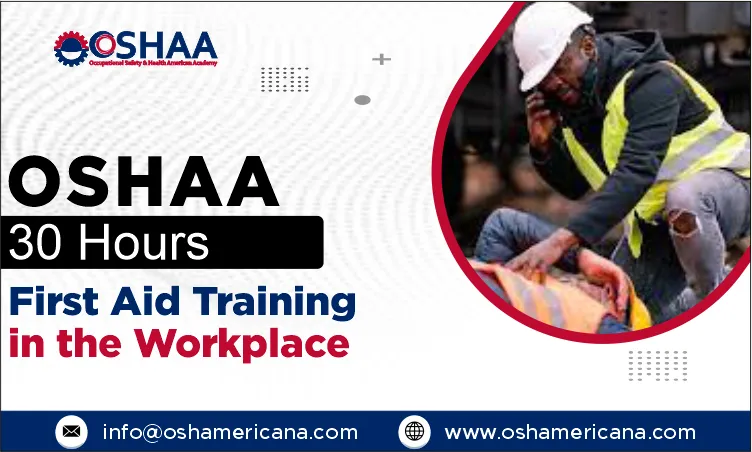
The OSHAA 30-Hours Professional Diploma in First Aid Training in the Workplace is a comprehensive training program designed to equip learners with essential first aid knowledge and practical emergency response skills needed to manage injuries and medical incidents in workplace environments. This course focuses on enabling participants to act quickly and effectively during emergencies, ensuring the safety and well-being of employees, visitors, and clients.
The program is aligned with internationally recognized workplace health and safety principles inspired by the Occupational Safety and Health Administration standards, emphasizing emergency preparedness, injury management, basic life support, and risk reduction. Learners will gain understanding of how to assess emergency situations, provide immediate care for injuries, manage bleeding, burns, fractures, and respond to sudden medical conditions.
This diploma is ideal for workplace safety officers, supervisors, HR staff, teachers, caregivers, and employees across all industries. Upon completion, learners will be able to deliver prompt and effective first aid support, improve workplace safety standards, and potentially save lives during critical emergency situations.
OSHAA 30-Hours Professional Diploma in First Aid Training in the Workplace
To enroll in the OSHAA 30-Hours Professional Diploma in First Aid Training in the Workplace, learners should meet basic requirements to ensure they can understand emergency procedures and apply first aid techniques safely and effectively in workplace situations.
- Age Requirement: Applicants should be at least 16 years old or above at the time of enrollment.
- Educational Background: A secondary school qualification (high school or equivalent) is recommended. Learners with certificates in First Aid, Healthcare Support, Nursing Assistant, Occupational Health & Safety, or related fields will benefit more from the course.
- Language Proficiency: Basic English reading and communication skills are required to understand instructions, emergency protocols, and safety guidelines.
- Physical Ability: Learners should be physically capable of performing basic first aid procedures such as CPR support, bandaging, and assisting injured individuals.
- Work Experience (Optional): No prior experience is required; however, experience in workplace safety, healthcare, caregiving, or emergency response roles is considered an advantage.
Study Units
Learning Outcomes
Introduction to First Aid (2 Hours)
- Understand the importance and core principles of first aid in the workplace
- Learn the roles, responsibilities, and legal considerations of a workplace first aider
- Identify common workplace hazards and risks requiring first aid intervention
- Gain awareness of emergency preparedness and response procedures
- Understand how effective first aid reduces injury severity and saves lives
Managing Medical Emergencies (5 Hours)
- Develop the ability to assess the seriousness of medical emergencies
- Learn immediate care techniques for choking, burns, fainting, and similar conditions
- Gain knowledge on stabilising casualties until professional help arrives
- Understand how to contact emergency services and communicate critical information
- Build confidence in making timely and appropriate emergency decisions
Basic Life Support (BLS) and CPR (5 Hours)
- Learn how to perform CPR for adults and children effectively
- Develop skills in correct chest compressions and rescue breathing techniques
- Understand when and how to use an Automated External Defibrillator (AED)
- Build confidence through practical, scenario-based CPR practice
- Recognise the importance of early intervention in cardiac emergencies
Wounds, Bleeding, and Shock Management (3 Hours)
- Understand how to assess and treat cuts, abrasions, puncture wounds, and lacerations
- Learn effective methods for controlling bleeding, including pressure and bandaging
- Recognise the signs and symptoms of shock
- Understand prompt management of severe bleeding and shock situations
- Gain confidence in delivering first aid for traumatic injuries
Injury Management: Sprains, Strains, and Fractures (4 Hours)
- Learn how to identify and manage sprains, strains, and fractures
- Understand injury immobilisation principles to prevent further harm
- Gain practical skills in applying splints, slings, and bandages
- Learn how to assess different fracture types and respond appropriately
- Build confidence in managing musculoskeletal injuries at work
Dealing with Medical Conditions (5 Hours)
- Develop the ability to manage asthma, seizures, diabetes, and allergic reactions
- Recognise warning signs of heart attacks, strokes, and anaphylaxis
- Learn correct use of epinephrine auto-injectors in emergencies
- Understand how to support individuals with chronic medical conditions
- Gain skills to respond calmly and effectively to medical crises
Workplace Health and Safety (3 Hours)
- Understand the role of first aid in promoting a safe working environment
- Learn how to identify and assess workplace hazards to reduce risks
- Understand health and safety regulations and their impact on employee wellbeing
- Gain awareness of workplace risk assessment processes
- Learn how first aid supports overall safety management systems
Post-Incident Reporting and Aftercare (3 Hours)
- Learn how to document and report workplace accidents accurately
- Understand the importance of aftercare and emotional support following incidents
- Gain knowledge of follow-up procedures and recovery assessment
- Learn how to evaluate first aid responses and improve safety measures
- Understand how incident outcomes contribute to continuous workplace safety improvement
The OSHAA 30-Hours Professional Diploma in First Aid Training in the Workplace provides learners with essential knowledge and practical skills to respond effectively to medical emergencies and injuries in workplace environments.
- Emergency Response Skills – Learn how to react quickly and effectively during workplace accidents and medical emergencies.
- Injury Management – Gain skills to handle cuts, burns, fractures, and other common workplace injuries.
- Life Saving Knowledge – Understand basic life support techniques that can help save lives.
- Workplace Safety Awareness – Improve understanding of health and safety procedures in professional environments.
- First Aid Techniques – Develop practical skills in bandaging, wound care, and patient stabilization.
- Risk Reduction Skills – Learn how to identify hazards and prevent workplace incidents.
- Confidence Building – Gain confidence to act decisively in emergency situations.
- Communication Skills – Improve ability to coordinate with emergency services and colleagues.
- Professional Development – Enhance career opportunities in safety, healthcare, and industrial sectors.
- Practical Application – Apply first aid skills effectively in real workplace scenarios.
The OSHAA 30-Hours Professional Diploma in First Aid Training in the Workplace is designed for individuals who want to develop essential emergency response and life-saving skills to handle workplace injuries and medical situations effectively. It is suitable for both beginners and professionals across all industries.
- Workplace Safety Officers – Individuals responsible for maintaining health and safety standards in organizations.
- Supervisors & Managers – Staff overseeing employee safety and emergency preparedness in workplaces.
- HR & Administrative Staff – Personnel involved in employee welfare and workplace compliance.
- Teachers & School Staff – Educators responsible for student safety and emergency response in schools.
- Healthcare & Care Workers – Nurses, caregivers, and support staff assisting with patient care.
- Industrial & Factory Workers – Employees working in environments with higher risk of accidents.
- Construction Workers – Laborers and site supervisors exposed to workplace hazards.
- Security Personnel – Guards and safety staff responsible for emergency response and protection.
- Students & Fresh Learners – Individuals preparing for careers in healthcare, safety, or emergency response.
- General Employees – Workers in any sector who want to gain essential first aid knowledge.