Transform Your Safety Skills: Anaphylaxis Management Diploma
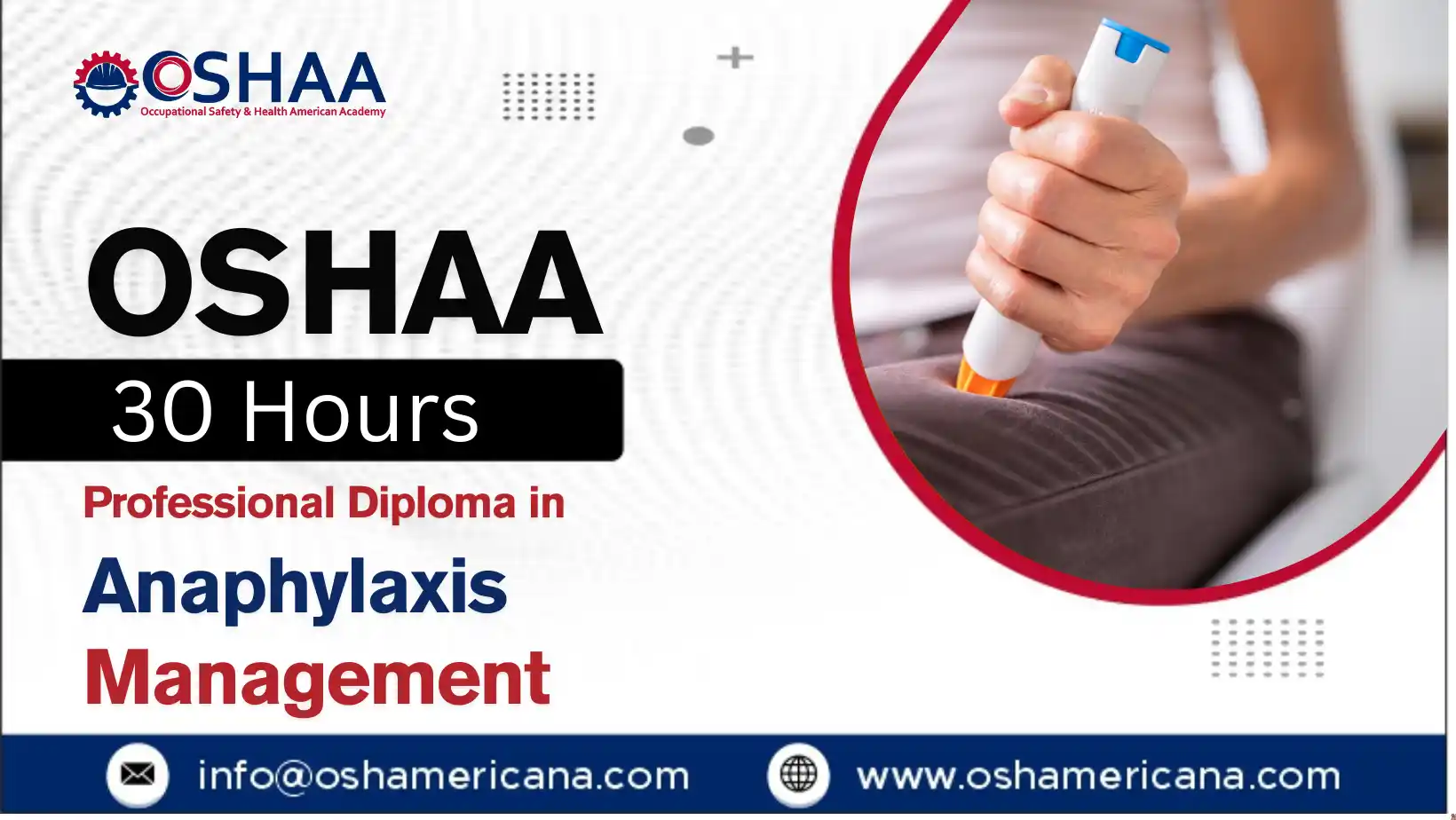
The OSHAA 30-Hours Professional Diploma in Anaphylaxis Management is an in-depth training programme designed to prepare participants to effectively recognise, respond to, and manage anaphylactic emergencies. Anaphylaxis is a serious and potentially fatal allergic reaction that requires rapid identification and immediate action. This diploma equips learners with the essential knowledge and practical skills needed to respond confidently and appropriately in high-pressure situations.
Delivered by OSHAA, a trusted international awarding body in health and safety education, the programme aligns with global standards and best practices. It is particularly suited to healthcare professionals, emergency responders, teachers, childcare providers, workplace supervisors, and individuals responsible for allergy risk management.
The course combines theoretical learning with practical training, ensuring participants understand both the science behind allergic reactions and the real-world application of emergency procedures. Key areas of study include common allergens, triggers, early warning signs, emergency response protocols, and the safe and correct use of adrenaline auto-injectors. Learners also develop skills in creating and implementing emergency action plans.
In addition, the diploma addresses prevention strategies, risk assessment, and effective communication to promote awareness and minimise exposure to allergens. Upon completion, participants strengthen their professional competence and readiness to protect individuals at risk, demonstrating a strong commitment to safety, preparedness, and best practice in anaphylaxis management.
OSHAA 30-Hours Professional Diploma in Anaphylaxis Management
- Age: 18+ years
- Education: High school or equivalent recommended
- Language: Basic English understanding
- Experience: Not required
Study Units
Learning Outcomes
Introduction to Anaphylaxis and Its Clinical Importance (3 Hours)
- Understand the definition and clinical significance of anaphylaxis
- Recognise the urgency and potential severity of anaphylactic reactions
- Appreciate the importance of prompt recognition and treatment
Physiology and Pathophysiology of Allergic Reactions (3 Hours)
- Explain the biological mechanisms underlying allergic and anaphylactic reactions
- Identify how the immune system responds during anaphylaxis
- Understand the progression from mild allergic reactions to severe anaphylaxis
Common Triggers and Allergens Causing Anaphylaxis (3 Hours)
- Identify the most frequent allergens responsible for anaphylaxis
- Understand environmental, food, medication, and insect-related triggers
- Recognise factors that increase the risk of anaphylactic reactions
Recognising Signs and Symptoms of Anaphylactic Reactions (4 Hours)
- Detect early and advanced signs of anaphylaxis across different body systems
- Differentiate anaphylaxis from other allergic or medical conditions
- Develop skills to conduct rapid assessment in emergency situations
Emergency Management and Treatment Protocols for Anaphylaxis (5 Hours)
- Apply evidence-based procedures for managing anaphylactic emergencies
- Demonstrate the correct steps for emergency response, including calling for medical help
- Understand the sequence and timing of treatment interventions
Proper Use of Adrenaline Auto-Injectors (EpiPen) and Other Medications (4 Hours)
- Demonstrate correct administration of adrenaline auto-injectors
- Understand dosing, storage, and replacement of auto-injectors
- Recognise the role of additional medications in anaphylaxis management
Prevention Strategies and Risk Assessment in Various Settings (4 Hours)
- Conduct risk assessments to identify potential anaphylaxis hazards
- Implement strategies to minimise exposure to known allergens
- Develop safety protocols for schools, workplaces, and public venues
Communication, Education, and Raising Awareness about Anaphylaxis (2 Hours)
- Communicate effectively with patients, caregivers, and teams about anaphylaxis risks
- Educate communities on recognising and responding to anaphylaxis
- Promote awareness campaigns to support prevention and preparedness
Post-Emergency Care and Support for Anaphylaxis Patients (2 Hours)
- Understand the importance of follow-up care after an anaphylactic episode
- Provide psychological support and guidance for patients and families
- Coordinate with healthcare providers for ongoing management and prevention
Enhance your professional skills and become confident in handling emergency allergic reactions. This diploma equips you with practical knowledge, life-saving techniques, and industry-recognized certification. By completing this course, you can:
- Master Anaphylaxis Response: Learn to identify symptoms and act quickly to prevent severe outcomes.
- Hands-On Emergency Skills: Gain practical training in using epinephrine auto-injectors and other critical tools.
- Boost Career Opportunities: Stand out as a certified professional in healthcare, education, and safety sectors.
- Enhance Workplace Safety: Implement effective safety protocols and reduce risks in your organization.
- Build Confidence in Critical Situations: Handle allergic emergencies calmly and efficiently.
This course is designed for professionals and individuals who want to gain critical life-saving skills in managing allergic emergencies. It’s ideal for those working in healthcare, education, or any environment where anaphylaxis may occur. Suitable for anyone looking to enhance safety knowledge and confidence.
- Healthcare Professionals: Nurses, paramedics, and caregivers who handle patients with severe allergies.
- Educators & School Staff: Teachers, school nurses, and childcare providers responsible for student safety.
- Workplace Safety Officers: Individuals in HR, safety, or first-aid roles at organizations.
- Hospitality & Food Industry Staff: Chefs, restaurant managers, and supermarket staff handling allergenic foods.
- General Public & Caregivers: Parents, guardians, and anyone interested in emergency preparedness.