OSHAA 30-Hours Professional Diploma in Clinical Research
Build foundational knowledge of clinical research, clinical trial design, research ethics, participant protection, data management, and drug safety. The OSHAA 30-Hours Professional Diploma in Clinical Research introduces the processes and principles used to plan, conduct, document, and evaluate clinical studies.
Across nine study units, learners explore clinical trial phases, informed consent, Institutional Review Boards (IRBs), applicable U.S. regulatory frameworks, pharmacovigilance, and emerging research technologies. The course is suitable for learners interested in healthcare, life sciences, pharmaceutical research, and clinical trial support.
Who Should Take This Clinical Research Diploma?
This course is intended for people who want to understand how clinical research and clinical trials are planned, conducted, documented, and evaluated. It provides foundational professional development for learners entering or supporting research-related activities.
Entry Requirements
- Age
- Applicants must be at least 18 years old.
- Education
- A high school diploma or equivalent is recommended.
- Language
- Basic English reading and comprehension skills are recommended to follow course materials and assessment questions.
- Experience
- Previous experience is not required. Healthcare, laboratory, life sciences, or research experience can be helpful.
- Interest
- An interest in clinical research, healthcare, medicines, or scientific investigation is beneficial.
Clinical Research Course Study Units
The 30-hour diploma is organized into nine study units covering clinical research principles, trial design, research ethics, U.S. regulatory concepts, clinical data, drug safety, and developments in clinical research.
| # | Study Unit | Course Coverage |
|---|---|---|
| 1 | Introduction to Clinical Research and Its Importance (3 hours) | Clinical research purpose, scope, stakeholders, and research lifecycle |
| 2 | Research Methodology and Design in Clinical Trials (4 hours) | Research questions, hypotheses, study designs, and trial methodology |
| 3 | Ethical Considerations in Clinical Research (3 hours) | Participant rights, informed consent, confidentiality, and ethical review |
| 4 | Clinical Trial Phases and Regulatory Requirements (4 hours) | Clinical trial phases, FDA oversight, protocols, and regulatory concepts |
| 5 | Data Collection, Management, and Analysis in Clinical Research (4 hours) | Data collection, data quality, validation, storage, and basic analysis |
| 6 | Clinical Research Reporting and Documentation (3 hours) | Study records, protocols, case report forms, and research reporting |
| 7 | Pharmacovigilance and Drug Safety in Clinical Research (3 hours) | Adverse events, safety monitoring, risk assessment, and reporting |
| 8 | The Role of Clinical Research in Drug Development (4 hours) | Preclinical research, clinical evaluation, regulatory review, and development |
| 9 | Emerging Trends in Clinical Research (2 hours) | Digital health, personalized medicine, remote monitoring, and AI applications |
| Total Guided Learning Time | 30 hours | |
Clinical Research Diploma Learning Outcomes
After completing the nine study units, learners should be able to explain key clinical research processes, recognize relevant ethical and regulatory principles, and understand how clinical data and safety information are managed.
1Introduction to Clinical Research and Its Importance
- Define clinical research and explain its purpose in healthcare and medical science.
- Identify major types and stages of clinical research, from study planning to reporting.
- Describe the roles of sponsors, investigators, research teams, participants, and oversight bodies.
- Explain how clinical research contributes to evidence about treatments and healthcare outcomes.
2Research Methodology and Design in Clinical Trials
- Compare experimental, observational, and longitudinal research approaches.
- Develop clear research questions and hypotheses relevant to a study objective.
- Identify key features of common clinical trial designs and methodologies.
- Explain how study design influences reliability, validity, and interpretation of results.
3Ethical Considerations in Clinical Research
- Explain core ethical principles relevant to research involving human participants.
- Describe informed consent, participant autonomy, confidentiality, and privacy.
- Explain the role of Institutional Review Boards (IRBs) and ethical review processes.
- Recognize the importance of protecting participant rights, safety, and welfare.
4Clinical Trial Phases and Regulatory Requirements
- Describe the objectives of Phase 1, Phase 2, Phase 3, and Phase 4 clinical trials.
- Identify key U.S. oversight roles of the FDA and applicable HHS human-subject protection framework.
- Recognize the purpose of protocols, informed consent documents, and essential study records.
- Explain at a foundational level how regulatory oversight supports participant protection and reliable trial conduct.
5Data Collection, Management, and Analysis in Clinical Research
- Identify common clinical research data collection methods, including interviews, surveys, observations, and clinical measurements.
- Explain data cleaning, validation, storage, and quality control concepts.
- Recognize the purpose of basic statistical methods and analysis tools in clinical research.
- Interpret the importance of accurate, complete, and traceable data when presenting study findings.
6Clinical Research Reporting and Documentation
- Identify common clinical research documents, including protocols, case report forms, and study reports.
- Explain why accurate, timely, and complete documentation is important.
- Describe basic principles for reporting research findings clearly and transparently.
- Recognize the role of records in study oversight, review, and audit readiness.
7Pharmacovigilance and Drug Safety in Clinical Research
- Define pharmacovigilance and explain its role in monitoring medical product safety.
- Distinguish adverse events from adverse reactions at an introductory level.
- Describe how safety information is collected, assessed, documented, and reported.
- Explain the role of risk assessment and safety monitoring during clinical development and after marketing.
8The Role of Clinical Research in Drug Development
- Outline the stages of drug development from preclinical research through clinical evaluation.
- Explain how clinical trial findings contribute to regulatory review and product development decisions.
- Identify the roles of research organizations, sponsors, investigators, and regulatory authorities.
- Recognize common scientific, ethical, operational, and safety challenges in drug development.
9Emerging Trends in Clinical Research
- Identify emerging developments such as digital health, personalized medicine, and artificial intelligence.
- Explain how remote monitoring and digital tools may influence clinical trial operations.
- Recognize opportunities and limitations associated with data analytics and new research technologies.
- Discuss the importance of privacy, data quality, ethics, and oversight when adopting new technologies.
Assessment and Certification
How You Are Assessed
- The course assessment is conducted through a multiple-choice examination administered through an OSHAA Approved Training Partner (ATP).
- The examination consists of 100 multiple-choice questions (MCQs) covering the course content and key clinical research concepts.
- Learners must achieve a minimum score of 70% to pass the assessment.
Your Certificate
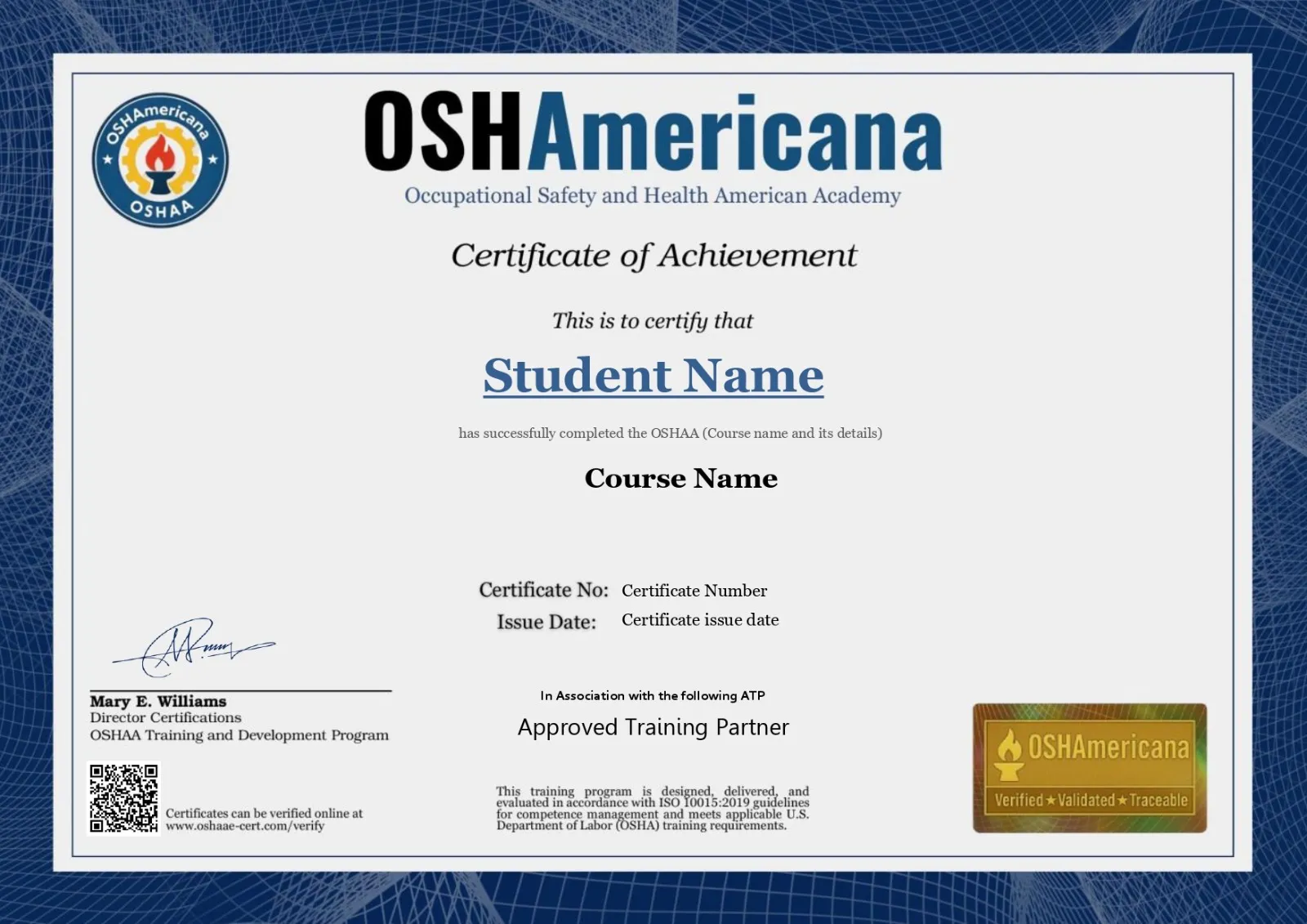
After completing the 30-hour course requirements and achieving the required assessment result, successful learners receive an OSHAA 30-Hours Professional Diploma in Clinical Research certificate issued by OSHAA. Certificate details can be checked through the OSHAA verification service.
Benefits of the Clinical Research Diploma
Understand Clinical Research
Build a structured understanding of clinical research principles, study processes, and clinical trial terminology.
Explore Research Ethics
Learn about informed consent, participant rights, confidentiality, and ethical review.
Understand U.S. Regulatory Concepts
Become familiar with key FDA and HHS frameworks relevant to clinical investigations and human-subject research.
Develop Data Awareness
Understand data collection, validation, documentation, analysis, and the importance of data integrity.
Learn About Drug Safety
Explore pharmacovigilance, adverse event monitoring, and safety reporting concepts.
Explore Emerging Technologies
Understand how digital health, remote monitoring, personalized medicine, and AI are influencing research.
Career Opportunities and Related Job Roles
The knowledge covered in this diploma may support further learning and development for people interested in clinical research and healthcare research support. Employment eligibility depends on the role, employer, education, experience, and any additional professional or regulatory requirements.
Clinical Research Assistant
Supports research teams with study administration, document organization, and routine coordination tasks.
Clinical Trial Assistant
Assists with trial documentation, communication, records, and administrative activities.
Research Administration Assistant
Supports research office processes, document control, scheduling, and study records.
Clinical Data Assistant
Supports data entry, data review, quality checks, and clinical research data workflows.
Pharmacovigilance Support Assistant
May assist with administrative handling and organization of drug safety information under appropriate supervision.
Laboratory Research Support
Contributes to research support activities in laboratory or scientific settings, subject to workplace training and role requirements.
Frequently Asked Questions About the Clinical Research Diploma
What is the OSHAA 30-Hours Professional Diploma in Clinical Research?
It is a 30-hour professional diploma covering clinical research principles, trial design, research ethics, clinical trial phases, regulatory concepts, data management, reporting, pharmacovigilance, and emerging research trends.
What will I learn in this clinical research course?
You will study research methodology, clinical trial phases, informed consent, ethical review, clinical data collection and management, research documentation, drug safety, and the role of clinical research in drug development.
Is this course suitable for beginners?
Yes. The course introduces foundational clinical research concepts. Healthcare, laboratory, life sciences, or research experience may help, but prior experience is not required under the stated course entry information.
What are the entry requirements?
Applicants must be at least 18 years old. A high school diploma or equivalent is recommended. Basic English comprehension is useful, and previous healthcare or research experience is an advantage but is not required.
What U.S. regulations are covered?
The course introduces relevant frameworks including FDA 21 CFR Parts 50, 56, and 312, applicable device investigation requirements under 21 CFR Part 812, HHS 45 CFR Part 46 where applicable, and clinical trial registration and reporting concepts under 42 CFR Part 11.
What is the role of an Institutional Review Board (IRB)?
An IRB reviews applicable research involving human participants to help protect their rights, safety, and welfare. FDA IRB requirements are addressed in 21 CFR Part 56, while HHS-supported or conducted research may also be subject to applicable requirements under 45 CFR Part 46.
How long does the diploma take?
The course has 30 hours of guided learning across nine study units. The calendar schedule and delivery format depend on the selected OSHAA Approved Training Partner.
How is the course assessed?
The assessment consists of 100 multiple-choice questions (MCQs). Learners must achieve at least 70% to pass.
Can this diploma qualify me to work as a clinical investigator?
The diploma provides foundational professional development in clinical research. Specific clinical research roles may require additional education, relevant experience, employer training, professional credentials, or regulatory qualifications.
How can I enroll in the course?
Contact an OSHAA Approved Training Partner to confirm enrollment, fees, schedule, and available study format. You can also contact OSHAA for course information.
How to Study the OSHAA Clinical Research Diploma
Learners enroll through an OSHAA Approved Training Partner, which confirms available study formats, schedules, fees, and learner support arrangements.
- 1
Find a Training Partner
Choose an OSHAA Approved Training Partner or contact OSHAA for assistance.
- 2
Confirm Enrollment Details
Check the entry requirements, course fee, delivery format, and study schedule with the partner.
- 3
Study the Nine Units
Complete the 30 hours of learning covering clinical research, ethics, trials, data, and drug safety.
- 4
Complete the Assessment
Take the 100-question multiple-choice assessment and achieve a minimum score of 70%.
- 5
Receive Your OSHAA Certificate
Successful learners receive the OSHAA 30-Hours Professional Diploma in Clinical Research certificate.