Professional Diploma in CranioSacral Therapy (CST) Excellence
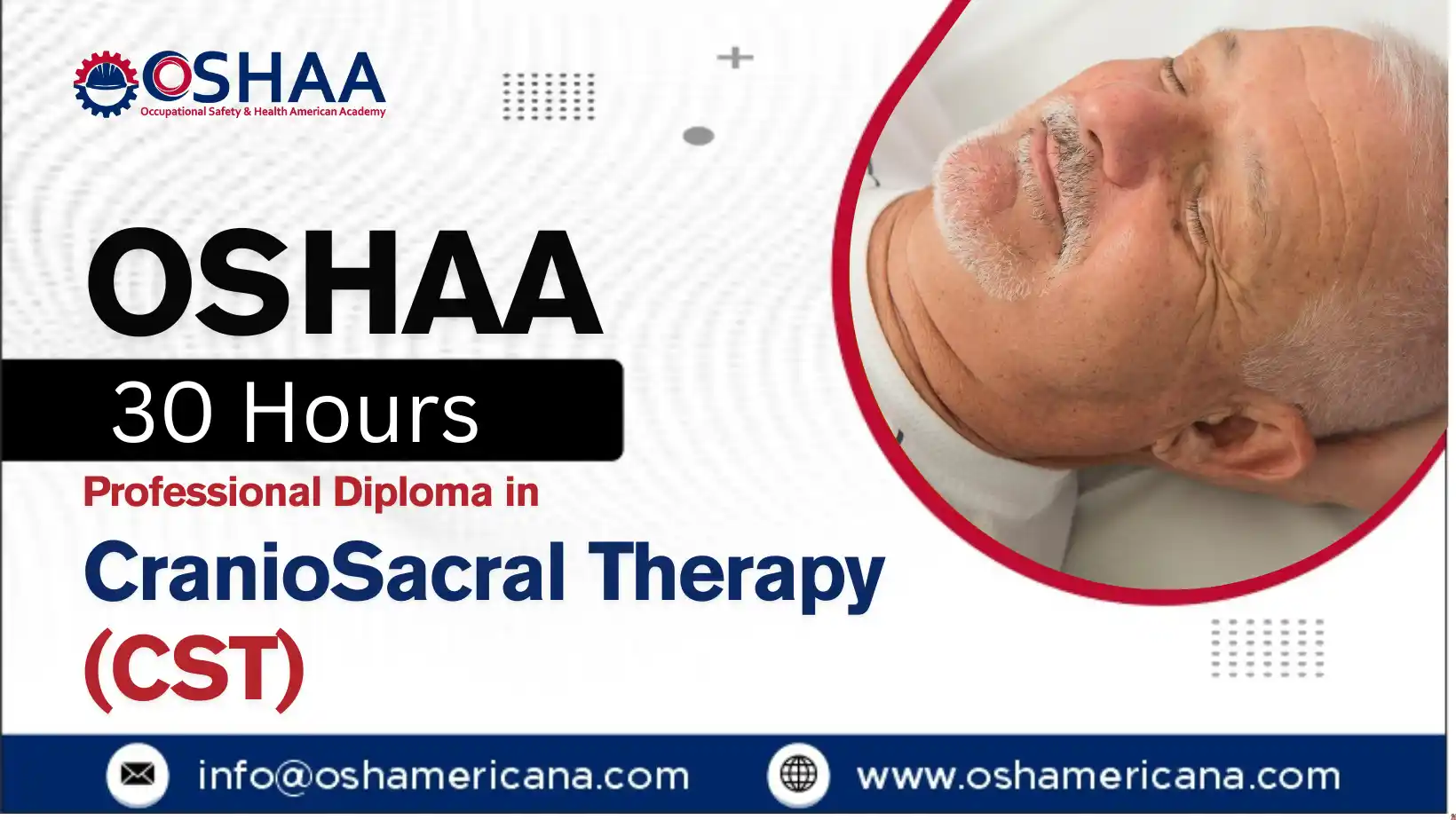
CranioSacral Therapy (CST) is a widely respected complementary therapy that uses gentle, non-invasive techniques to support the body’s natural healing and self-regulation processes. The OSHAA 30-Hours Professional Diploma in CranioSacral Therapy (CST) is a specialist programme designed to provide participants with a solid foundation in both the theoretical principles and practical application of CST. Developed in line with UK professional standards, this course is ideal for individuals seeking to begin or enhance a career in holistic and manual therapies.
The programme introduces learners to the core concepts of CranioSacral Therapy, with a focus on the craniosacral system and its influence on physical, emotional, and neurological wellbeing. Participants learn to perceive subtle bodily rhythms and apply precise, light-touch techniques to identify and release restrictions that may affect balance and health. The course is suitable for both existing practitioners and those developing a new therapeutic specialism.
Delivered over 30 guided learning hours, the diploma combines theoretical study with hands-on skill development. Key topics include cranial and spinal anatomy, cerebrospinal fluid dynamics, palpation skills, therapeutic presence, and ethical practice. Case-based learning supports practical confidence and professional application.
OSHAA 30-Hours Professional Diploma in CranioSacral Therapy (CST)
- Minimum Age: 18 years or older to enrol.
- Education: Basic education (high school diploma or equivalent) recommended to follow course materials.
- Language: Functional English literacy to understand theory and practical instructions.
- Interest in Therapy: A genuine interest in bodywork and holistic health is helpful (no specific professional license is required).
Study Units
Learning Outcomes
Introduction to CranioSacral Therapy and Its Holistic Foundations (3 Hours)
- Understand the history, philosophy, and principles of CranioSacral Therapy
- Recognise the importance of a holistic approach to health and healing
- Identify foundational concepts of energy flow and body balance in CST
- Develop awareness of the therapist’s role and presence in the healing process
Anatomy and Physiology of the Craniosacral System (4 Hours)
- Identify key anatomical structures of the craniosacral system
- Explain the function and significance of cerebrospinal fluid
- Understand the interrelationship between the cranium, spine, sacrum, and meninges
- Recognise how craniosacral dynamics influence overall body function
Craniosacral Rhythm: Identification and Palpation Techniques (6 Hours)
- Develop sensitivity in hands-on palpation to detect craniosacral rhythm
- Differentiate between normal and restricted craniosacral movement
- Practise techniques for stillpoint induction and rhythm balancing
- Build confidence in using touch as both a diagnostic and therapeutic tool
Fascial System and Its Role in CranioSacral Therapy (3 Hours)
- Understand the structure and function of the fascial network
- Recognise the relationship between fascia and the craniosacral system
- Learn to identify fascial restrictions through palpation
- Apply fascial release techniques within CST sessions
Techniques for Releasing Restrictions and Facilitating Flow (4 Hours)
- Apply fundamental CST techniques to release restrictions in cranial and spinal areas
- Facilitate improved flow of cerebrospinal fluid
- Support the body’s natural self-correction mechanisms
- Use gentle hand positions to restore balance and function
Emotional Release and the Psychosomatic Connection (5 Hours)
- Understand the link between emotional trauma and physical tension
- Recognise signs of somatoemotional release during therapy
- Learn safe and ethical approaches to support emotional release
- Develop presence and grounding to maintain a safe therapeutic environment
Evaluating Client Needs and Developing Treatment Plans (3 Hours)
- Conduct professional CST assessments based on client needs
- Identify therapeutic priorities through observation and palpation
- Create individualised treatment plans with short- and long-term goals
- Adapt techniques to suit a variety of client presentations
Client Communication and Professional Boundaries (2 Hours)
- Practise effective, respectful, and clear client communication
- Understand the importance of informed consent and confidentiality
- Establish and maintain appropriate professional boundaries
- Manage challenging client situations with professionalism and care
Course Benefits – OSHAA 30-Hours Professional Diploma in CranioSacral Therapy (CST)
- Master CST Techniques: Learn precise CranioSacral Therapy methods for real-world application.
- Promote Healing: Help clients improve mobility, reduce pain, and relieve tension naturally.
- Enhance Professional Skills: Expand your therapy practice with specialized CST knowledge.
- Holistic Approach: Integrate mind-body techniques for overall health and relaxation.
- Client Satisfaction: Improve treatment outcomes and client well-being through gentle therapy.
- Certification: Receive an OSHAA-recognized diploma to showcase your expertise in CST.
The OSHAA 30-Hours Professional Diploma in CranioSacral Therapy (CST) is designed for participants who are interested in developing skills in a gentle, yet highly effective, therapeutic approach. It is particularly suitable for:
- Massage Therapists & Bodyworkers: Professionals wanting to expand their skill set with CST techniques.
- Physiotherapists & Chiropractors: Practitioners aiming to integrate gentle craniosacral techniques into treatment plans.
- Wellness Coaches & Holistic Practitioners: Individuals focused on mind-body healing and relaxation therapies.
- Healthcare Professionals: Nurses, occupational therapists, or alternative therapy practitioners seeking additional modalities.
- Anyone Interested in Holistic Health: People passionate about learning gentle, non-invasive therapy techniques for physical and emotional well-being.
No prior experience in CST is required, though a background in health or bodywork may enhance the learning experience.