Advanced OSHAA 30-Hours Diploma in Lifeguarding Skills
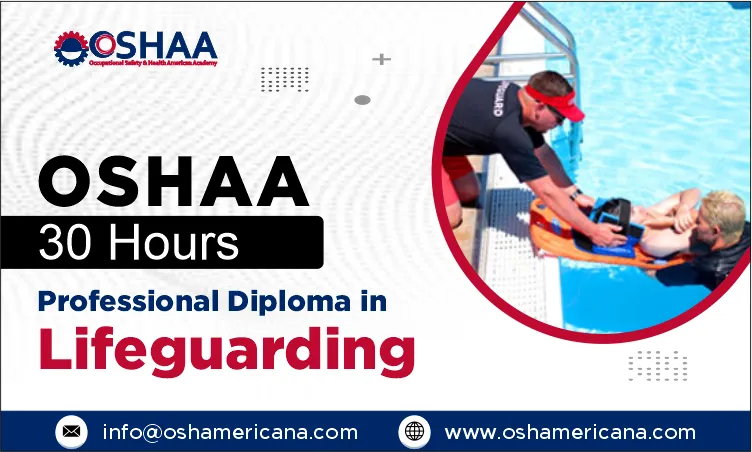
The OSHAA 30-Hours Professional Diploma in Lifeguarding is a specialized training program designed to equip learners with essential lifesaving knowledge and practical rescue skills required to ensure safety in aquatic environments. The course focuses on preventing drowning incidents, responding effectively to water emergencies, and maintaining safe swimming conditions in pools, beaches, and recreational water facilities.
Throughout the program, participants will learn key lifeguarding techniques such as water rescue procedures, surveillance and monitoring skills, CPR (Cardiopulmonary Resuscitation), first aid response, and the use of rescue equipment. The course also emphasizes risk assessment in aquatic environments and the importance of quick, confident decision-making during emergencies.
By completing this diploma, learners will be prepared to work as professional lifeguards in swimming pools, water parks, hotels, resorts, and public beaches. It strengthens safety awareness, emergency response capability, and professional responsibility, contributing to safer aquatic environments and effective lifesaving practices.
OSHAA 30-Hours Professional Diploma in Lifeguarding
The OSHAA 30-Hours Professional Diploma in Lifeguarding is open to learners who are interested in water safety, rescue skills, and emergency response in aquatic environments.
- Age Requirement: Applicants should be at least 16 years of age at the time of enrollment.
- Educational Background: A basic secondary school qualification is recommended. Backgrounds in Physical Education, Sports Science, Healthcare, First Aid, or related fields are considered beneficial.
- Language Proficiency: Basic English reading and understanding skills are required to follow safety instructions and course materials.
- Work Experience: Prior experience in swimming, sports, hospitality, or safety-related roles is helpful but not mandatory.
This course is suitable for both beginners and professionals aiming to build or enhance their lifeguarding and water safety skills.
Study Units
Learning Outcomes
Introduction to Lifeguarding and Water Safety (2 Hours)
- Understand the role and responsibilities of a professional lifeguard
- Learn fundamental principles of water safety and accident prevention
- Recognise common hazards in aquatic environments
- Develop awareness of legal and ethical aspects of lifeguarding
Risk Assessment and Hazard Prevention in Aquatic Environments (4 Hours)
- Identify potential risks and hazards in different water settings
- Learn effective risk assessment techniques for accident prevention
- Understand safety protocols for pools, beaches, and water parks
- Develop strategies to minimise risks and enhance public safety
Observation, Surveillance, and Scanning Techniques (5 Hours)
- Learn effective scanning techniques to detect potential dangers
- Understand the importance of constant supervision in aquatic areas
- Develop skills in identifying distressed swimmers and emergency situations
- Improve situational awareness and response time during incidents
Emergency Action Planning and Incident Management (5 Hours)
- Understand the importance of emergency action plans (EAPs)
- Learn procedures for handling various water-related emergencies
- Develop skills in coordinating emergency responses and teamwork
- Gain knowledge of post-incident reporting and debriefing processes
Basic Life Support (BLS), CPR, and First Aid for Lifeguards (4 Hours)
- Learn the fundamentals of Basic Life Support (BLS)
- Develop skills in administering CPR for adults, children, and infants
- Understand first aid techniques for common water-related injuries
- Gain confidence in responding to medical emergencies in aquatic settings
Water Rescue Techniques and Victim Handling (4 Hours)
- Learn different water rescue techniques for conscious and unconscious victims
- Understand how to safely approach and assist distressed swimmers
- Develop proficiency in using rescue aids and flotation devices
- Gain skills in handling multiple victim rescues effectively
Spinal Injury Management and Special Rescue Situations (3 Hours)
- Understand the risks and signs of spinal injuries in water environments
- Learn proper techniques for stabilising and extracting spinal injury victims
- Develop skills in handling emergencies involving deep water and strong currents
- Gain knowledge of special rescue situations such as submerged victims
Use of Lifeguarding Equipment and Personal Protective Gear (3 Hours)
- Learn the correct use of lifeguarding equipment, including rescue tubes and boards
- Understand the importance of personal protective gear in lifeguarding operations
- Develop proficiency in operating emergency communication tools
- Gain knowledge of maintenance and proper storage of lifeguarding equipment
This course provides essential lifesaving knowledge and practical skills to ensure safety in aquatic environments and prepare learners for emergency response situations.
- Lifesaving Skills Development
Learn effective water rescue techniques and drowning prevention methods. - CPR and First Aid Training
Gain practical knowledge in emergency life support and immediate care response. - Water Safety Awareness
Understand how to identify risks and maintain safe swimming environments. - Rescue Equipment Usage
Learn how to properly use lifebuoys, rescue tubes, and other lifesaving tools. - Emergency Response Skills
Develop quick decision-making abilities during water-related emergencies. - Surveillance and Monitoring
Enhance skills in observing swimmers and preventing accidents proactively. - Risk Assessment Knowledge
Identify hazards in pools, beaches, and aquatic recreational areas. - Professional Lifeguard Preparation
Build confidence to work in real-world lifeguarding roles. - Improved Public Safety Contribution
Help create safer swimming environments in community and recreational settings. - Career Opportunities
Increase employability in hotels, resorts, swimming pools, and water parks.
This course is designed for individuals who want to develop professional lifeguarding skills and ensure safety in aquatic environments such as pools, beaches, and water parks.
- Aspiring Lifeguards
Individuals looking to start a career in lifeguarding and water safety services. - Swimming Pool Staff
Employees working in hotels, resorts, clubs, and recreational swimming facilities. - Beach Safety Personnel
Individuals responsible for monitoring and ensuring safety at coastal and beach areas. - Fitness and Sports Trainers
Professionals involved in swimming coaching and aquatic sports activities. - Healthcare and First Aid Workers
Staff who may need emergency response skills in water-related incidents. - School and College Staff
Teachers and supervisors managing swimming activities for students. - Adventure and Water Sports Guides
Individuals working in rafting, diving, and other water-based activities. - Rescue and Emergency Responders
Personnel involved in public safety and emergency rescue operations. - Students and Beginners
Learners interested in building a career in water safety and lifeguarding. - Hospitality Industry Staff
Workers in hotels and resorts managing guest pool and beach safety.