Master Survival Skills with the Diploma in Extreme Heat Survival
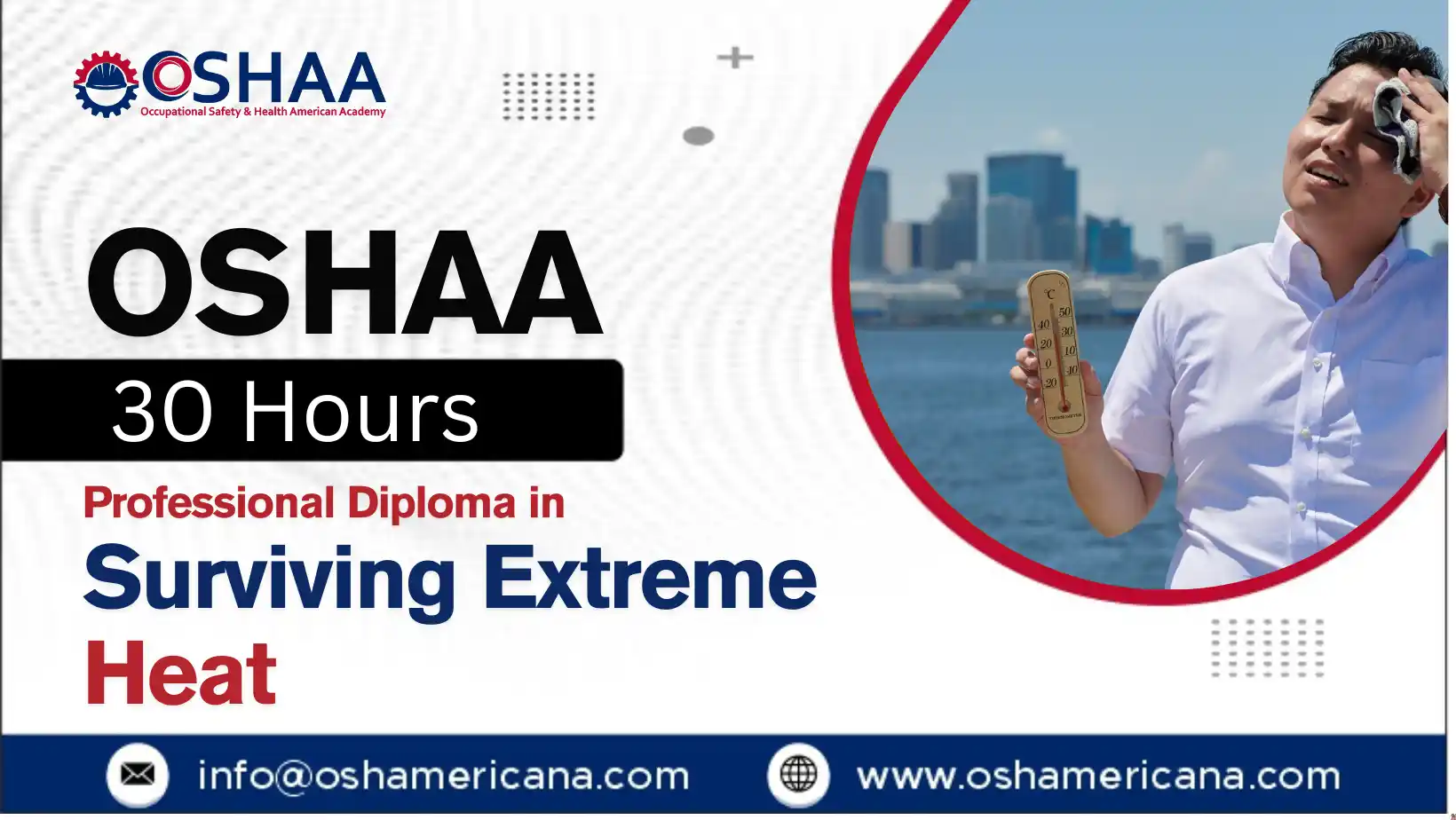
The OSHAA 30-Hours Professional Diploma in Surviving Extreme Heat is a specialised training programme designed to equip participants with the knowledge, skills, and strategies needed to stay safe and healthy in high-temperature environments. Delivered by OSHAA, a recognised awarding body, this course blends scientific understanding with practical survival techniques, preparing participants to manage extreme heat effectively in both personal and professional contexts.
Participants gain a thorough understanding of heat-related illnesses, hydration strategies, protective clothing, environmental adaptations, and emergency response procedures. The curriculum covers recognising symptoms of heat exhaustion and heatstroke, applying preventive measures, and responding confidently to heat emergencies. Practical survival techniques, including shelter creation, cooling methods, and optimising performance under heat stress, are also emphasised.
Through a combination of theory and hands-on learning, participants develop the competence to manage risks, adapt behaviours, and protect themselves and others in challenging environments. On completion, the OSHAA 30-Hours Professional Diploma in Surviving Extreme Heat provides a recognised qualification, demonstrating the ability to operate safely in extreme temperatures. This programme empowers participants to survive, adapt, and thrive in high-heat conditions, supporting occupational safety, adventure preparedness, and climate resilience
.OSHAA 30-Hours Professional Diploma in Surviving Extreme Heat
- Age: 18 years or older
- Education: High school diploma or equivalent
- Language: Basic English proficiency
Study Units
Learning Outcomes
Introduction to Extreme Heat and Human Survival (3 Hours)
- Understand the definition and characteristics of extreme heat conditions
- Identify environmental and situational factors that increase heat exposure risks
- Recognise the importance of preparation and adaptation for survival in high temperatures
Understanding Heat Stress and Its Impact on the Body (3 Hours)
- Explain how the human body regulates temperature in hot environments
- Identify the physiological effects of heat stress on different body systems
- Recognise early signs of heat strain and apply appropriate self-care measures
Hydration Strategies and Nutritional Considerations in High Temperatures (3 Hours)
- Understand the role of hydration in preventing heat-related illnesses
- Apply effective fluid replacement techniques for different heat conditions
- Identify foods and nutritional practices that support endurance and recovery in high heat
Protective Clothing, Equipment, and Environmental Adaptations (3 Hours)
- Select appropriate clothing and gear for reducing heat absorption and retention
- Apply environmental adaptations such as shade, ventilation, and cooling methods
- Understand the role of modern and traditional protective technologies in heat survival
Recognising and Managing Heat-Related Illnesses (4 Hours)
- Identify symptoms and stages of common heat-related illnesses such as heat exhaustion and heatstroke
- Apply correct first response procedures for each condition
- Understand when and how to seek professional medical assistance
Preventive Measures for Safe Activity in Extreme Heat (3 Hours)
- Plan and schedule activities to minimise heat exposure risks
- Use monitoring tools to assess heat risk levels before and during activity
- Implement lifestyle and behavioural changes to improve heat resilience
Emergency Response and First Aid for Heat Emergencies (5 Hours)
- Perform immediate first aid for heat-related emergencies
- Apply cooling and recovery techniques for severely affected individuals
- Coordinate emergency communication and evacuation procedures in high-heat situations
Psychological Preparedness and Decision-Making Under Heat Stress (3 Hours)
- Recognise the mental effects of extreme heat on focus, mood, and decision-making
- Apply stress management techniques to maintain clarity under pressure
- Develop confidence in making quick, safe decisions in high-risk heat scenarios
Survival Techniques in Remote or Resource-Limited Hot Environments (3 Hours)
- Identify natural and improvised shelters suitable for extreme heat conditions
- Apply water sourcing, purification, and conservation methods in remote areas
- Use navigation and safety strategies to survive in isolated, high-temperature locations
- Gain a comprehensive understanding of how extreme heat impacts the human body and how to respond effectively
- Develop practical skills to recognise, prevent, and manage heat-related illnesses in various environments
- Learn effective hydration and nutrition strategies to maintain performance and safety in high temperatures
- Acquire knowledge of protective clothing, equipment, and environmental adaptations for heat survival
- Enhance ability to plan and carry out activities safely in extreme heat conditions
- Build competence in emergency response and first aid for heat-related emergencies
- Strengthen decision-making and psychological resilience under high-heat stress situations
- Gain survival techniques applicable to remote, resource-limited, or disaster-affected hot environments
- Increase personal safety and preparedness for heatwaves, climate change, and occupational heat risks
- Earn a recognised OSHAA qualification that supports both personal preparedness and professional applications in safety, outdoor, and emergency response fields
- Participants working in outdoor or high-temperature occupations such as construction, agriculture, mining, and emergency services
- Participants involved in disaster response, humanitarian aid, or relief operations in hot climate regions
- Participants engaged in military, security, or law enforcement roles that require operating in extreme heat conditions
- Participants preparing for travel, expeditions, or activities in desert, tropical, or heat-prone environments
- Participants working in sports, adventure, or tourism sectors where heat exposure is a significant factor
- Participants seeking to improve personal safety and preparedness during heatwaves and climate-related emergencies
- Participants aiming to meet occupational health and safety requirements for heat risk management
- Participants wishing to enhance their knowledge of first aid and emergency response for heat-related incidents
- Participants looking to build resilience, adaptability, and survival skills for challenging hot environments
- Participants pursuing an internationally recognised OSHAA qualification to support career advancement or specialist safety training