Powerful OSHAA 30H Palliative Care Skills Diploma Course
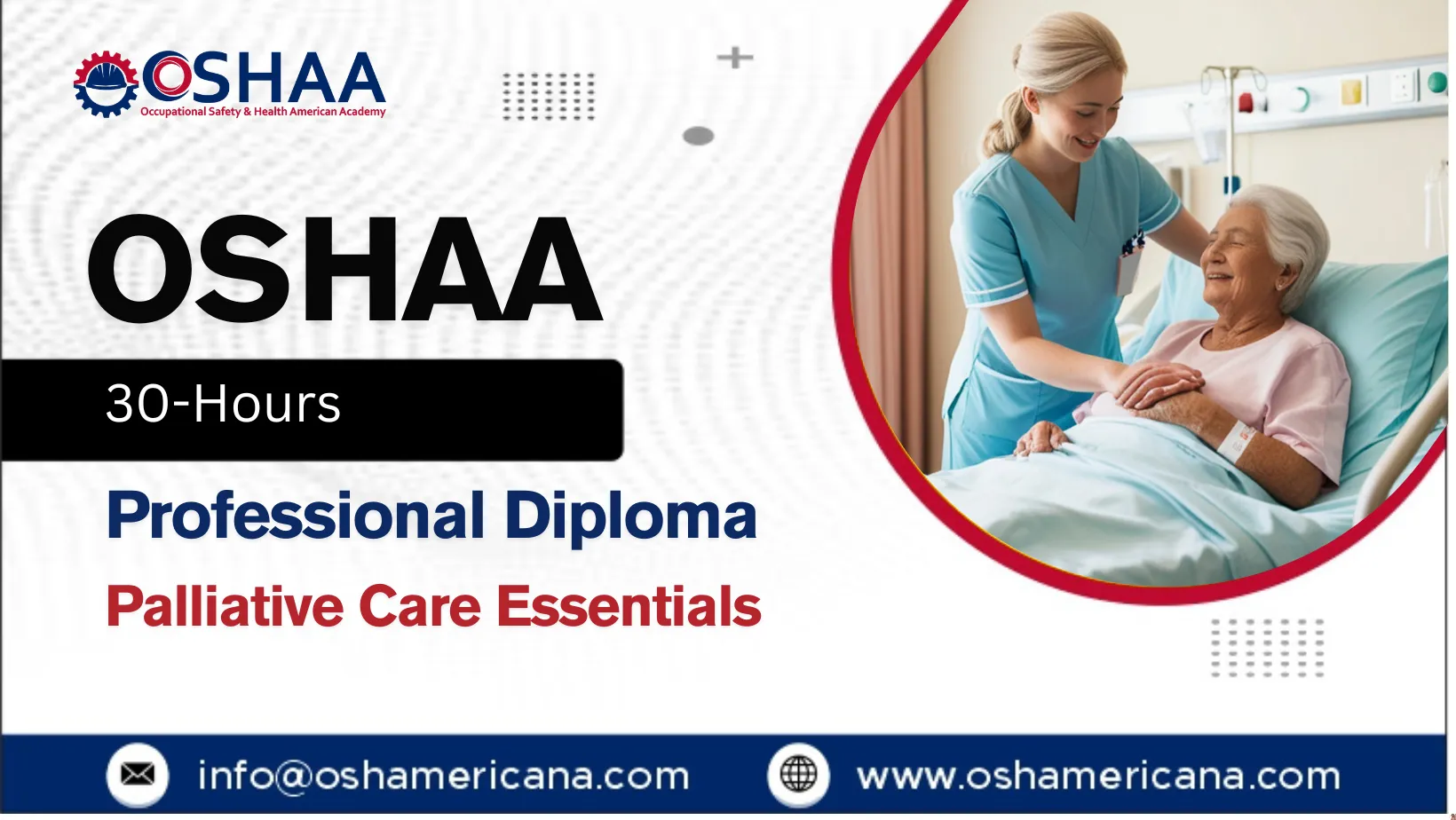
The OSHAA 30-Hours Professional Diploma in Palliative Care Essentials is a specialized training program designed to provide learners with foundational knowledge and practical skills in delivering compassionate care to individuals with life-limiting or serious illnesses. This course focuses on improving quality of life by addressing physical, emotional, social, and spiritual needs of patients and their families.
Through this program, learners gain understanding of pain management principles, symptom control, patient comfort strategies, communication skills, and emotional support techniques. It also emphasizes dignity, respect, and person-centered care, ensuring that individuals receive compassionate support throughout their care journey.
This diploma is ideal for healthcare professionals, caregivers, nursing staff, and individuals working in social care or support services. It is suitable for beginners as well as those seeking to enhance their skills in end-of-life and supportive care. By the end of the course, participants are better prepared to provide empathetic, ethical, and high quality palliative care in healthcare settings.
OSHAA 30-Hours Professional Diploma in Palliative Care Essentials
The OSHAA 30-Hours Professional Diploma in Palliative Care Essentials is designed for individuals who want to develop knowledge and skills in compassionate care for patients with serious or life-limiting conditions.
- Age Requirement: Applicants should be 18 years or older.
- Educational Background: A high school qualification or equivalent is recommended. Learners with certificates or experience in healthcare, nursing, caregiving, social work, psychology, or occupational health and safety are encouraged to apply.
- Language Proficiency: Basic English reading and writing skills are required to understand medical terminology, care instructions, and course materials effectively.
- Work Experience: No prior experience is required; however, experience in healthcare, hospice care, nursing, or caregiving can be beneficial.
This course is suitable for individuals who are passionate about providing empathetic and professional palliative and end-of-life care support.
Study Units
Learning Outcomes
Introduction to Palliative Care and Its Principles (3 Hours)
- Understand the fundamental concepts and goals of palliative care.
- Recognise the difference between palliative and curative care.
- Identify key principles of holistic and patient-centred care.
- Understand the role of multidisciplinary teams in palliative care delivery.
Pain Management and Symptom Control (5 Hours)
- Understand different types of pain and symptom management approaches.
- Learn pharmacological and non-pharmacological pain relief techniques.
- Recognise common symptoms in palliative care and appropriate interventions.
- Develop skills to assess and monitor pain and symptom progression.
Psychosocial and Emotional Support in Palliative Care (5 Hours)
- Understand the psychological and emotional impact of terminal illness on patients and families.
- Recognise signs of distress, anxiety, and depression in palliative care patients.
- Learn techniques to provide compassionate emotional and psychological support.
- Understand the role of bereavement support for families and caregivers.
Communication Skills in Palliative and End-of-Life Care (4 Hours)
- Develop effective communication strategies for discussing palliative care with patients and families.
- Learn how to handle sensitive conversations about prognosis and end-of-life decisions.
- Understand the importance of active listening and empathy in patient interactions.
- Recognise the role of cultural and individual preferences in communication.
Ethical and Legal Considerations in Palliative Care (4 Hours)
- Understand ethical dilemmas in end-of-life care decision-making.
- Learn about patient rights, informed consent, and autonomy.
- Recognise legal frameworks governing palliative and end-of-life care.
- Develop skills to navigate ethical challenges while maintaining professional integrity.
Holistic Approaches to Patient and Family Support (5 Hours)
- Understand the significance of spiritual, cultural, and social support in palliative care.
- Learn about complementary therapies used alongside conventional treatments.
- Recognise the importance of family involvement in palliative care.
- Develop skills to provide holistic care tailored to individual patient needs.
End-of-Life Care Planning and Advanced Directives (4 Hours)
- Understand the importance of advance care planning and patient preferences.
- Learn about living wills, do-not-resuscitate (DNR) orders, and power of attorney.
- Develop skills to facilitate discussions around end-of-life choices.
- Recognise best practices for providing dignified and respectful end-of-life care.
The OSHAA 30-Hours Professional Diploma in Palliative Care Essentials provides essential knowledge and practical skills to deliver compassionate, respectful, and high-quality care to individuals with life-limiting or serious health conditions.
- Comprehensive Understanding of Palliative Care – Gain in-depth knowledge of palliative care principles, symptom management, and patient support.
- Enhanced Patient Care Skills – Develop the ability to provide compassionate and effective care to patients with life-limiting conditions.
- Improved Pain and Symptom Management – Learn evidence-based techniques to relieve pain and manage common symptoms in palliative care settings.
- Stronger Communication Abilities – Master the skills needed for sensitive and effective communication with patients, families, and healthcare teams.
- Awareness of Ethical and Legal Responsibilities – Understand the legal frameworks and ethical considerations surrounding end-of-life care.
- Holistic and Family-Centred Care Approach – Learn to address the emotional, psychological, and spiritual needs of patients and their families.
- Career Advancement Opportunities – Strengthen your credentials and improve employability in healthcare, hospice, and community care settings.
- Practical Application in Real-World Scenarios – Gain hands-on knowledge that can be applied immediately in hospitals, nursing homes, and home care environments.
- Support for Personal and Professional Development – Enhance both professional competency and personal understanding of compassionate care.
- Globally Recognised Qualification – Earn a professional diploma that demonstrates expertise in palliative care, increasing career prospects in the healthcare sector.
The OSHAA 30-Hours Professional Diploma in Palliative Care Essentials is designed for individuals involved in providing care and support to patients with life-limiting conditions. This course is ideal for:
- Nurses and Healthcare Professionals – Those working in hospitals, hospices, and community healthcare settings who deliver palliative and end-of-life care.
- Caregivers and Support Workers – Individuals responsible for providing hands-on care to patients in residential or home-based settings.
- Doctors and Medical Practitioners – Healthcare professionals looking to enhance their knowledge of symptom management and holistic patient care.
- Social Workers and Counsellors – Professionals supporting patients and families through emotional, psychological, and bereavement counselling.
- Medical and Healthcare Students – Individuals pursuing careers in healthcare who want to develop a strong foundation in palliative care.
- Chaplains and Spiritual Care Providers – Those offering emotional and spiritual support to patients and families in end-of-life care settings.
- Volunteers and Community Health Workers – Individuals working in community health programmes, hospices, and non-profit organisations supporting palliative care patients.
- Family Members and Informal Caregivers – Relatives and friends caring for loved ones with terminal illnesses who wish to gain essential caregiving skills.
This course is suitable for both experienced professionals and those new to palliative care, providing valuable knowledge and skills to improve patient comfort, dignity, and quality of life.