Unlock Peak Performance with Diploma in Sports and Exercise Nutrition
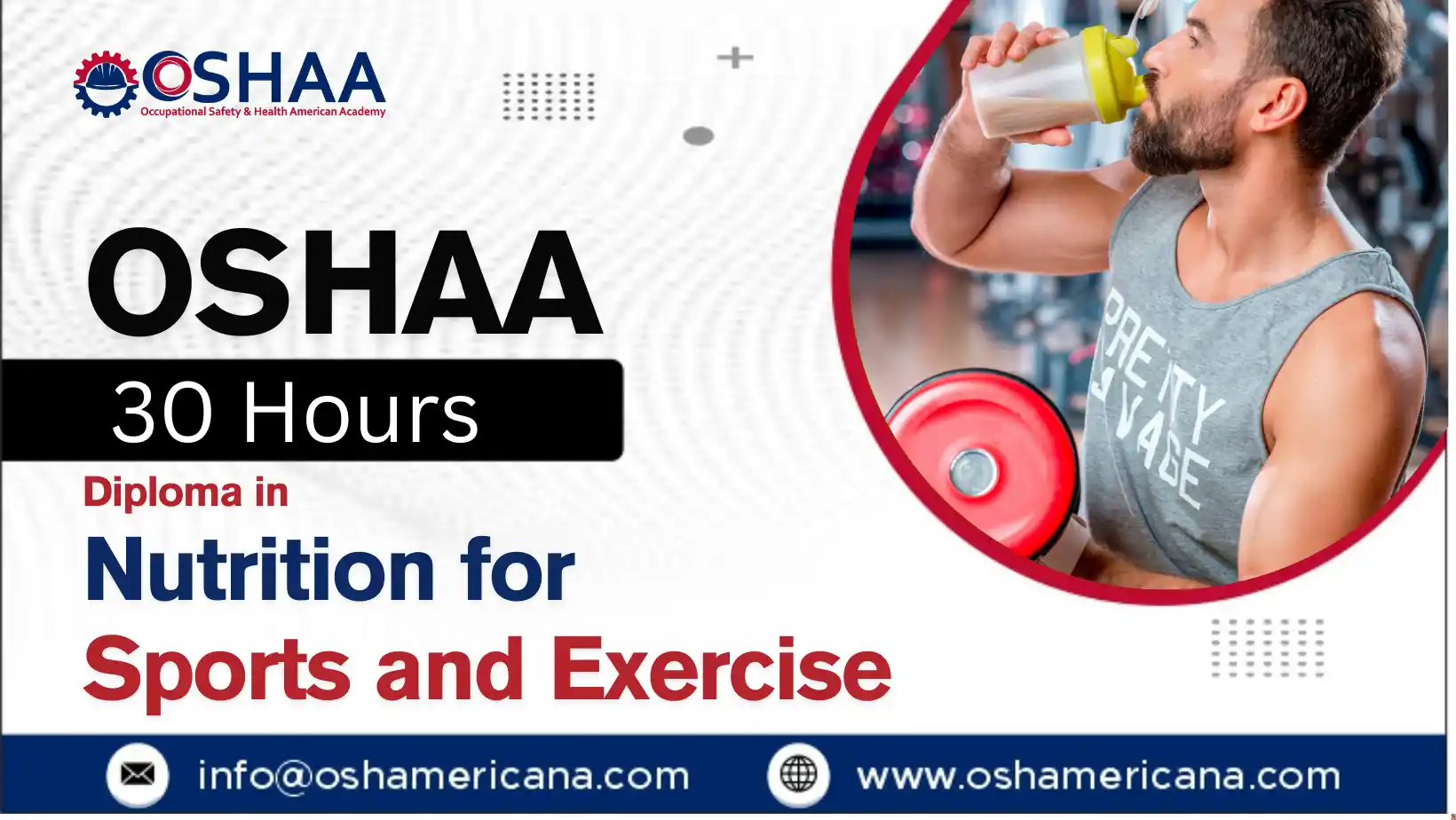
The OSHAA 30-Hours Diploma in Nutrition for Sports and Exercise is a focused and professionally designed programme aimed at providing a strong foundation in nutritional strategies that support athletic performance, physical fitness, and overall well-being. This course combines evidence-based dietary guidance with essential occupational safety principles, ensuring that participants are well-prepared to advise, apply, and practise nutrition within sports and exercise environments responsibly.
Whether working with amateur athletes, fitness enthusiasts, or high-performance professionals, proper nutrition plays a vital role in training, recovery, and sustained energy levels. This diploma explores the science behind macronutrients, hydration, meal planning, and supplementation, enabling participants to understand how dietary choices affect strength, endurance, and recovery.
Participants will gain in-depth knowledge of nutritional needs across various sports disciplines, age groups, and training goals. The course addresses critical areas such as pre- and post-exercise nutrition, managing special dietary requirements, and preventing common nutritional deficiencies in active individuals. Additionally, it emphasises workplace safety practices in fitness and nutrition settings, including hygiene, food handling, and risk management.
This qualification is particularly relevant for those involved in coaching, fitness instruction, personal training, or nutritional advising. It helps participants understand how to develop personalised nutrition plans that align with individual goals while staying within professional boundaries and ethical practice.
Upon successful completion, participants receive an internationally recognised diploma that demonstrates a commitment to safe, effective, and professional practice in the field of sports nutrition. This credential opens the door to further career opportunities and builds credibility in both fitness and wellness sectors.
OSHAA 30-Hours Diploma in Nutrition for Sports and Exercise
- Age: Participants should be 18 years or older.
- Education: High school diploma or equivalent; prior certifications in health, fitness, nutrition, or wellness are a plus.
- Language: Basic English skills to understand course materials and instructions.
- Work Experience: Experience in fitness, sports coaching, nutrition, or wellness is optional but advantageous.
Study Units
Learning Outcomes
Introduction to Sports Nutrition and Occupational Safety (3 Hours)
- Understand the fundamentals of sports nutrition and its impact on performance
- Recognise the importance of occupational safety in nutrition-related environments
- Identify professional responsibilities when advising athletes and clients
- Apply basic safety and hygiene protocols in fitness and nutrition settings
- Promote a safe and professional approach to sports nutrition practice
Macronutrients and Their Role in Exercise Performance (4 Hours)
- Explain the functions of carbohydrates, proteins, and fats in physical activity
- Assess how macronutrient ratios influence energy, strength, and recovery
- Identify optimal food sources of each macronutrient for athletic goals
- Design balanced macronutrient strategies to support training outcomes
- Apply nutritional planning to enhance overall exercise performance
Micronutrients and Hydration Strategies (5 Hours)
- Describe the roles of key vitamins and minerals in sports performance
- Recognise signs and consequences of micronutrient deficiencies in active individuals
- Develop hydration plans to maintain fluid balance during and after exercise
- Understand the effects of dehydration on performance and recovery
- Implement strategies for effective fluid replacement and electrolyte balance
Nutrition for Endurance, Strength, and Power Sports (4 Hours)
- Differentiate nutritional requirements based on specific sport demands
- Tailor nutrition strategies for endurance, strength, and explosive power disciplines
- Support training cycles with energy and recovery-focused meal plans
- Apply periodised nutrition to optimise performance and competition outcomes
- Adjust dietary approaches to individual athlete needs and goals
Pre- and Post-Exercise Meal Planning (5 Hours)
- Design pre-exercise meals to maximise energy and reduce fatigue
- Develop post-exercise nutrition plans to support recovery and muscle repair
- Time nutrient intake for optimal absorption and performance benefits
- Adjust meal strategies according to training intensity, duration, and personal needs
- Integrate meal planning into overall athlete training programs
Dietary Supplements: Use, Safety, and Regulation (5 Hours)
- Identify common sports supplements and their intended benefits
- Understand risks and regulations surrounding supplement use
- Evaluate scientific evidence for popular ergogenic aids
- Apply safety guidelines when advising athletes on supplement intake
- Support responsible and informed supplement practices
Managing Special Diets and Nutritional Needs in Athletes (3 Hours)
- Address nutrition considerations for athletes with dietary restrictions or preferences
- Plan alternatives for vegetarian, vegan, or allergy-sensitive diets
- Support athletes with medical conditions through informed nutrition guidance
- Monitor diet adjustments while maintaining performance and recovery
- Promote inclusivity and personalised nutrition strategies
Food Safety, Hygiene, and Risk Management in Nutrition Practice (3 Hours)
- Apply hygiene standards in food preparation and handling
- Recognise potential foodborne risks and implement control measures
- Ensure safe storage and serving practices in nutrition environments
- Conduct risk assessments to maintain safe nutrition practices
- Support overall health and safety in sports nutrition delivery
Course Benefits of the OSHAA 30-Hours Diploma in Nutrition for Sports and Exercise
- Understand sports nutrition principles for enhanced athletic performance.
- Learn meal planning techniques to optimize energy, recovery, and endurance.
- Enhance physical performance through targeted nutrient strategies.
- Support muscle growth and recovery with evidence-based nutrition practices.
- Improve overall health while maintaining a balanced diet for active lifestyles.
- Develop personalized nutrition plans for athletes or fitness clients.
- Apply knowledge to injury prevention and faster recovery strategies.
- Strengthen professional credentials in fitness, sports, and wellness industries.
- Boost mental focus and energy through proper diet and hydration techniques.
- Open pathways for advanced courses in sports nutrition, exercise science, or wellness coaching.
The OSHAA 30-Hours Diploma in Nutrition for Sports and Exercise is designed for individuals seeking to enhance their understanding of nutrition in athletic and fitness contexts. This course is ideal for:
- Athletes and sports enthusiasts looking to enhance performance and recovery.
- Fitness trainers and coaches who want to design effective nutrition plans for clients.
- Nutritionists and dietitians seeking specialized knowledge in sports nutrition.
- Healthcare professionals interested in diet-based performance optimization.
- Wellness and lifestyle coaches aiming to expand their services with nutrition expertise.
- Individuals with active lifestyles who want to improve energy, endurance, and overall health.
This diploma is suitable for anyone committed to promoting health, performance, and safety through responsible and practical nutrition planning in the sports and exercise industry.