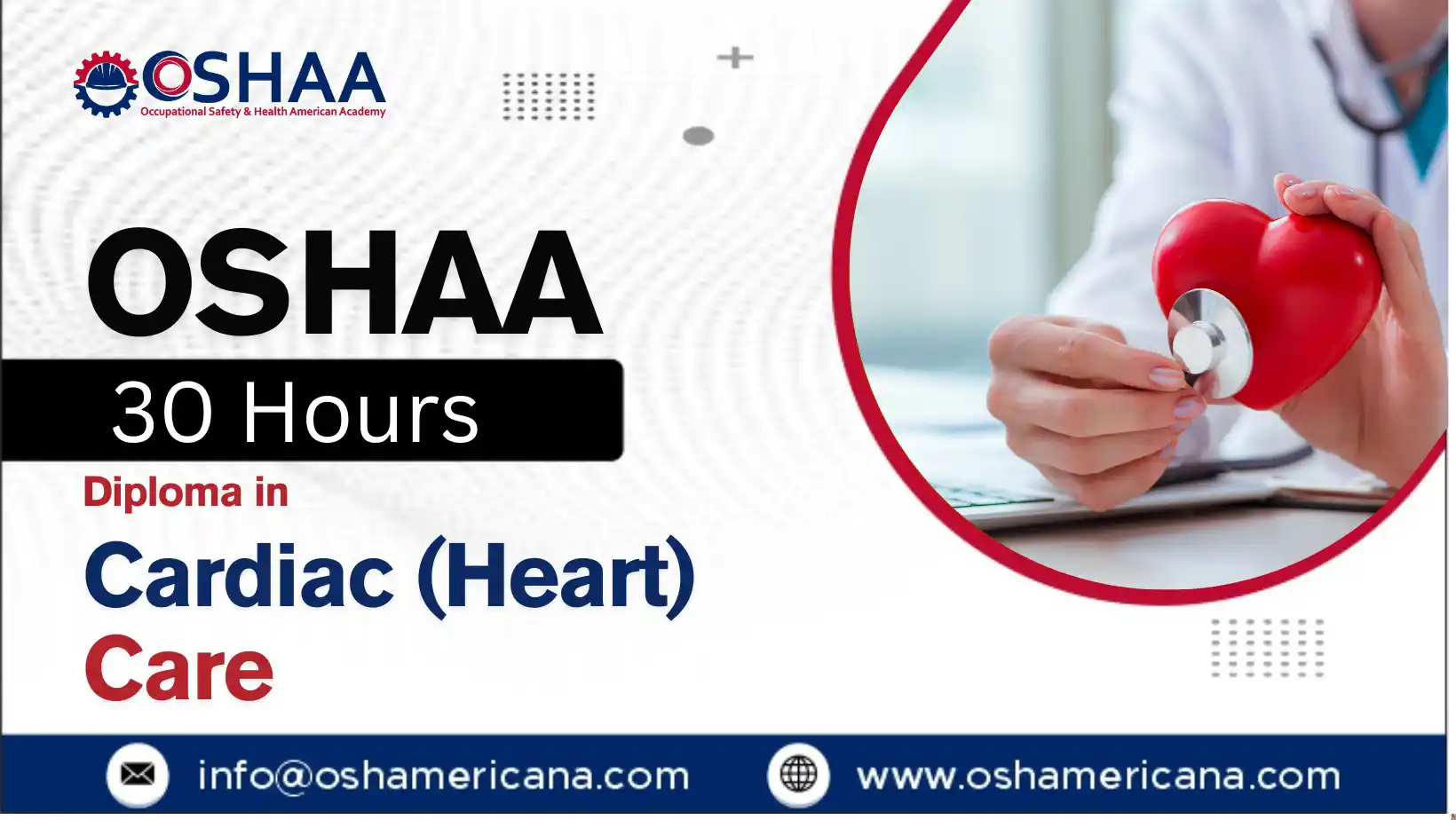
Advance Your Healthcare Career with the Diploma in Cardiac Care
The heart plays a central role in sustaining human life, and with the increasing prevalence of cardiovascular diseases, specialised knowledge in cardiac care has become more important than ever. The OSHAA 30-Hours Professional Diploma in Cardiac (Heart) Care is a comprehensive and focused programme designed to provide participants with a foundational understanding of heart health, cardiac conditions, and essential care strategies. Delivered in accordance with UK professional standards, this diploma offers both theoretical insight and practical approaches to support heart patients across various settings.
This diploma explores the vital aspects of cardiovascular health, including heart anatomy, common cardiac diseases, monitoring techniques, emergency response, and lifestyle interventions. Participants will gain a solid grounding in how to recognise signs of cardiac distress, understand treatment procedures, and contribute to long-term heart health through preventative care.
Through structured modules and case-based learning, participants will examine the causes, risk factors, and management options for major heart conditions such as hypertension, heart failure, angina, and myocardial infarction. The course also covers the psychosocial aspects of cardiac recovery and rehabilitation.
After completing this diploma, participants can progress to advanced training in cardiac nursing, health coaching, or public health education. The skills gained through this course also offer a strong foundation for further diplomas in clinical health, emergency care, or rehabilitation support.
OSHAA 30-Hours Professional Diploma in Cardiac (Heart) Care
- Age: 18 years or older
- Education: High school diploma or equivalent (certificates/diplomas in Nursing, Healthcare, Emergency Care, Paramedics, Medical Assistance, or Life Sciences preferred)
- Language Proficiency: Good command of English for reading, writing, and understanding course materials
- Computer Skills: Basic knowledge of MS Office and internet navigation for accessing online resources
- Work Experience: Not required, but prior experience in healthcare, clinical settings, or emergency response is an advantage
Study Units
Learning Outcomes
Introduction to Cardiac Health and Disease (3 Hours)
- Understand the importance of cardiovascular health in overall wellbeing
- Define key terms related to heart health and disease
- Recognise the global burden and prevalence of cardiac conditions
- Identify the basic functions of the heart in the human body
Anatomy and Physiology of the Cardiovascular System (4 Hours)
- Describe the structure of the heart and major blood vessels
- Explain the circulatory process and oxygen transport system
- Understand the role of the autonomic nervous system in heart function
- Identify how physiological changes affect cardiac performance
Risk Factors and Prevention of Heart Disease (5 Hours)
- Identify modifiable and non-modifiable risk factors for heart disease
- Understand the impact of lifestyle choices on cardiac health
- Explore evidence-based strategies for cardiovascular disease prevention
- Promote early intervention and public health approaches to reduce risks
Recognising and Responding to Cardiac Emergencies (3 Hours)
- Recognise signs and symptoms of heart attacks, cardiac arrest, and angina
- Understand the immediate actions to take during a cardiac emergency
- Gain familiarity with emergency protocols and basic life support principles
- Learn how to safely support individuals until professional help arrives
Cardiac Monitoring and Diagnostic Procedures (3 Hours)
- Understand the role of ECG, blood pressure monitoring, and blood tests
- Identify the purpose and process of common cardiac investigations
- Interpret basic findings from diagnostic tools under supervision
- Recognise when specialist referral is necessary based on symptoms and data
Common Cardiac Conditions: Symptoms and Management (4 Hours)
- Describe key features of conditions such as hypertension, heart failure, and arrhythmias
- Understand standard approaches to medical and lifestyle-based management
- Gain insight into chronic disease progression and care pathways
- Recognise the importance of multidisciplinary support in cardiac care
Medications, Surgical Interventions, and Cardiac Rehabilitation (4 Hours)
- Identify commonly prescribed cardiac medications and their purposes
- Understand key surgical interventions such as angioplasty and bypass surgery
- Explore the stages and benefits of cardiac rehabilitation programmes
- Promote adherence to treatment plans and recovery strategies
Lifestyle Modifications and Heart-Healthy Practices (3 Hours)
- Learn about dietary practices beneficial for heart health
- Understand the role of physical activity, stress management, and smoking cessation
- Create basic lifestyle guidance plans tailored for individual needs
- Encourage long-term behaviour change to support cardiovascular wellbeing
Course Benefits – OSHAA 30-Hours Professional Diploma in Cardiac (Heart) Care
- Develop a foundational understanding of cardiac anatomy, physiology, and health.
- Gain practical knowledge of common heart conditions, risk factors, and early prevention strategies.
- Learn to recognise the signs of cardiac emergencies and understand appropriate immediate responses.
- Build competence in understanding diagnostic tools and cardiac monitoring techniques.
- Explore medication, surgical treatments, and rehabilitation approaches for effective heart care.
- Acquire insights into lifestyle modifications that promote cardiovascular wellbeing.
- Understand the emotional and psychological dimensions of living with heart disease.
- Enhance communication skills to support individuals with cardiac conditions in various settings.
- Improve professional confidence when contributing to cardiac health education or care delivery.
- Receive a recognised diploma that enhances credibility in health, wellness, or caregiving sectors.
Target Audiences
This course is designed for healthcare professionals, caregivers, and anyone interested in enhancing their knowledge and skills in heart care and cardiac support. Suitable for:
- Nurses and paramedics who handle cardiac patients in hospitals or emergency settings
- Healthcare assistants and caregivers providing care to patients with heart conditions
- Medical students and life sciences graduates seeking practical knowledge in cardiac care
- Fitness and wellness professionals interested in understanding heart health and cardiac emergencies
- Community health workers looking to improve cardiac awareness and emergency response skills