OSHAA 30-Hours Professional Diploma in Child Abuse and Neglect
Build foundational knowledge of child abuse and neglect, potential warning signs, child protection responsibilities, and appropriate reporting procedures. This 30-hour diploma explores the different forms of child maltreatment, the impact on children, and the role of professionals in responding to safeguarding concerns.
Learners develop awareness of sensitive communication, responsible documentation, and referral to appropriate authorities and support services. The course provides educational awareness and does not qualify Learners to investigate allegations, make clinical diagnoses, or undertake regulated child protection duties.
About the Child Abuse and Neglect Course
The OSHAA 30-Hours Professional Diploma in Child Abuse and Neglect introduces the forms and possible indicators of child maltreatment, the effects of abuse and neglect on child development, and the responsibilities of people who work with or care for children. Learners explore how concerns may arise in family, educational, healthcare, childcare, and community settings.
The course covers physical, emotional, and sexual abuse, neglect, recognizing possible warning signs, responding sensitively to disclosures, recording observations, and referring concerns to appropriate authorities. It emphasizes that indicators are not proof of abuse and that Learners should follow the reporting procedures and professional boundaries applicable to their role.
In the United States, child abuse reporting requirements are primarily established through state and territorial laws. The federal Child Abuse Prevention and Treatment Act (CAPTA) provides a framework for state child protection systems, while state laws define mandated reporter categories, reporting thresholds, and procedures. Requirements differ by jurisdiction and professional role. The course provides general awareness and does not replace current state-specific training, legal advice, or employer procedures.
Who Should Take This Course?
Entry Requirements
- Age
- Learners should be at least 16 years old at enrollment.
- Education
- A basic secondary education or high school-level background is recommended.
- Prior knowledge
- Knowledge of healthcare, education, social work, childcare, psychology, first aid, or child development may be helpful but is not mandatory.
- Language
- Basic English reading and writing skills are recommended to understand the learning materials and reporting terminology.
- Experience
- No formal work experience is required. Relevant experience can support understanding of course examples.
Course Study Units
The 30-hour diploma is organized into eight study units covering child abuse and neglect, potential indicators, the impact on children, reporting responsibilities, appropriate responses, professional roles, and support services.
| # | Study Unit | Duration |
|---|---|---|
| 1 | Introduction to Child Abuse and Neglect | 2 hours |
| 2 | Types of Child Abuse | 5 hours |
| 3 | Recognizing the Signs of Child Abuse and Neglect | 5 hours |
| 4 | The Impact of Abuse and Neglect on Children | 3 hours |
| 5 | Legal and Ethical Framework for Reporting Abuse | 4 hours |
| 6 | Responding to Suspected Abuse | 5 hours |
| 7 | The Role of Professionals in Child Protection | 3 hours |
| 8 | Support Services for Children and Families | 3 hours |
| Total course duration | 30 hours | |
Learning Outcomes
By completing the eight study units, Learners should develop foundational awareness of child abuse and neglect, possible indicators, reporting frameworks, sensitive communication, and appropriate referral to relevant authorities and support services.
1Introduction to Child Abuse and Neglect
- Understand the definitions and scope of child abuse and neglect.
- Recognize the prevalence and impact of abuse and neglect in various communities.
- Identify the importance of early detection and intervention in preventing long-term harm to children.
- Gain insight into the role of professionals in identifying and addressing child abuse and neglect.
2Types of Child Abuse
- Learn to differentiate between the various types of abuse: physical, emotional, sexual abuse, and neglect.
- Understand the specific signs and symptoms associated with each type of abuse.
- Gain knowledge of the short-term and long-term effects of different types of abuse on children.
- Identify the challenges involved in recognizing and responding to each form of abuse.
3Recognizing the Signs of Child Abuse and Neglect
- Learn how to identify the physical, behavioral, and emotional indicators of child abuse and neglect.
- Understand the significance of subtle or hidden signs of abuse and neglect.
- Develop skills in observing children’s behavior and physical condition for possible signs of harm.
- Gain practical knowledge of using checklists and observation tools to aid in identifying potential abuse.
4The Impact of Abuse and Neglect on Children
- Understand the immediate and long-term effects of abuse and neglect on a child’s development.
- Identify the psychological, emotional, and physical consequences of abuse on children.
- Learn how different forms of abuse affect children’s behavior, relationships, and academic performance.
- Develop an understanding of trauma and its role in shaping a child’s future.
5Legal and Ethical Framework for Reporting Abuse
- Understand the legal obligations and responsibilities related to reporting child abuse and neglect.
- Learn about mandatory reporting laws and safeguarding protocols within the child protection system.
- Gain insight into the ethical considerations involved in handling cases of suspected abuse.
- Recognize the legal rights of children and families in abuse and neglect situations.
6Responding to Suspected Abuse
- Develop skills in responding appropriately and sensitively to suspected cases of abuse or neglect.
- Learn the proper steps for documenting concerns, observations, and disclosures related to abuse.
- Understand how to approach and communicate with children suspected of being abused or neglected.
- Gain knowledge of the correct process for reporting abuse to relevant authorities and agencies.
7The Role of Professionals in Child Protection
- Understand the roles and responsibilities of professionals in child protection, including teachers, social workers, and healthcare workers.
- Learn how professionals should collaborate and communicate with other child protection agencies.
- Gain awareness of the importance of maintaining professional boundaries and confidentiality.
- Develop skills for supporting other professionals involved in the child protection process.
8Support Services for Children and Families
- Understand the types of support services available to children and families affected by abuse and neglect.
- Learn how to connect children and families with appropriate services, such as counseling and legal assistance.
- Gain insight into the recovery process for children who have experienced abuse and neglect.
- Understand the role of community resources and organizations in supporting victims of abuse.
Assessment and Certification
How You Are Assessed
The assessment consists of 100 multiple-choice questions (MCQs) administered through an OSHAA Approved Training Partner. Learners must achieve a minimum score of 70% to pass. Questions assess understanding of child abuse and neglect, possible indicators, reporting responsibilities, sensitive responses, documentation, professional boundaries, and support services.
Your Certificate
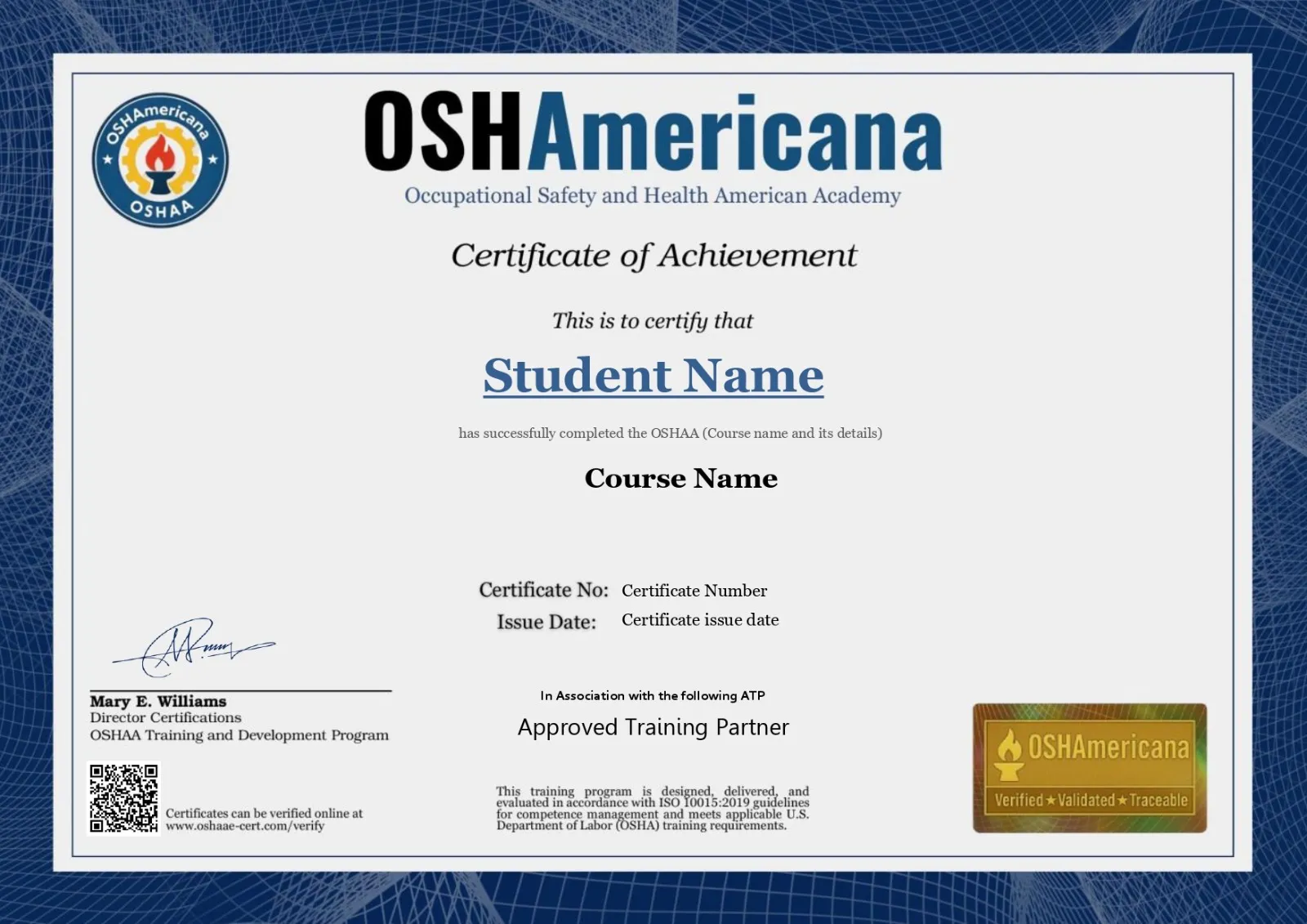
Learners who complete the course requirements and achieve the required assessment result receive the OSHAA 30-Hours Professional Diploma in Child Abuse and Neglect certificate.
This diploma provides educational awareness and professional development. It does not authorize Learners to investigate allegations, conduct forensic interviews, make clinical diagnoses, provide therapy, or perform regulated child protection or social work duties.
Benefits of the Child Abuse and Neglect Course
The course builds foundational knowledge for recognizing concerns, understanding reporting responsibilities, and supporting safe and appropriate referral practices.
Child Protection Awareness
Understand different forms of child abuse and neglect and the importance of recognizing possible warning signs.
Risk Recognition
Develop awareness of physical, behavioral, and emotional indicators that may warrant attention or referral.
Reporting Knowledge
Understand the role of state reporting laws, mandated reporter requirements, and appropriate reporting channels.
Responsible Documentation
Explore factual recording of observations and disclosures while respecting confidentiality and professional boundaries.
Sensitive Communication
Learn general principles for responding calmly, respectfully, and appropriately when a child shares a concern.
Support Service Awareness
Understand how child welfare agencies, healthcare providers, and community resources may support children and families.
Related Career and Professional Development Opportunities
The diploma may complement existing education or experience in child-focused and community support settings. It does not provide a professional license, qualify a Learner to investigate abuse, or guarantee employment. Job eligibility depends on employer requirements, state laws, background checks, and any required professional qualifications.
Childcare Support
Complement childcare experience with foundational awareness of child protection concerns and referral processes.
Education Support
Build relevant knowledge for school and education support environments, subject to role-specific requirements.
Healthcare Support
Strengthen general awareness alongside the qualifications and scope required for a healthcare support position.
Family and Community Services
Develop knowledge relevant to non-investigative family support and community service activities.
Nonprofit Programs
Complement experience in community organizations that provide child and family support.
Further Learning
Use the course as a foundation for additional study in child development, education, social services, or child welfare.
Frequently Asked Questions About Child Abuse and Neglect
What will Learners study in this diploma?
Learners study types of child abuse and neglect, possible warning signs, the impact on children, reporting responsibilities, sensitive responses, documentation, professional roles, and support services.
Who can enroll in this course?
The course is suitable for Learners aged 16 or older. A basic secondary education is recommended, and prior experience in childcare, education, healthcare, or social services is helpful but not required.
What are the common types of child abuse?
Commonly recognized categories include physical abuse, emotional or psychological abuse, sexual abuse, and neglect. Definitions and legal classifications can vary under state law.
Who is a mandated reporter in the United States?
Mandated reporter categories and reporting duties are established primarily by state and territorial law. Teachers, healthcare professionals, childcare personnel, and other roles may be included depending on the jurisdiction. Learners should check the current requirements where they work or volunteer.
Does CAPTA establish one reporting rule for every state?
No. The Child Abuse Prevention and Treatment Act (CAPTA) provides a federal framework and funding-related requirements for state child protection systems. State and territorial laws define mandated reporter categories and reporting procedures.
How is the course assessed?
The assessment consists of 100 multiple-choice questions. Learners must achieve at least 70% to pass.
Does this diploma qualify me to investigate child abuse?
No. The diploma provides educational awareness. It does not authorize investigations, forensic interviews, clinical assessments, or other regulated child protection duties.
Is the course available online or in person?
Delivery formats depend on the OSHAA Approved Training Partner. Contact the selected partner to confirm available online, in-person, or blended arrangements.
What should someone do if a child may be in immediate danger?
If there is immediate danger, contact 911 or the appropriate emergency service. Suspected abuse should be reported to the designated state or local child protection authority in accordance with applicable law and workplace procedures.
How can I find an OSHAA Approved Training Partner?
Visit the OSHAA Approved Training Partner page or email support@oshamericana.com for assistance.
How to Study the OSHAA Child Abuse and Neglect Course
Learners enroll and study through an OSHAA Approved Training Partner, which provides course delivery and learner support. Available formats, schedules, and fees are confirmed by the selected partner.
- 1
Find a Training Partner
Choose an OSHAA Approved Training Partner or contact OSHAA for assistance.
- 2
Confirm Enrollment
Check entry requirements, fees, study format, and schedule with the partner.
- 3
Complete the Eight Study Units
Work through the 30-hour curriculum covering child abuse awareness, reporting, response, and support services.
- 4
Complete the Assessment
Attempt the 100-question MCQ assessment and achieve at least 70% to pass.
- 5
Receive Your OSHAA Certificate
Successful Learners receive an OSHAA course certificate that can be checked through the verification service.