Achieve Expertise in Community Health Services – Professional Diploma
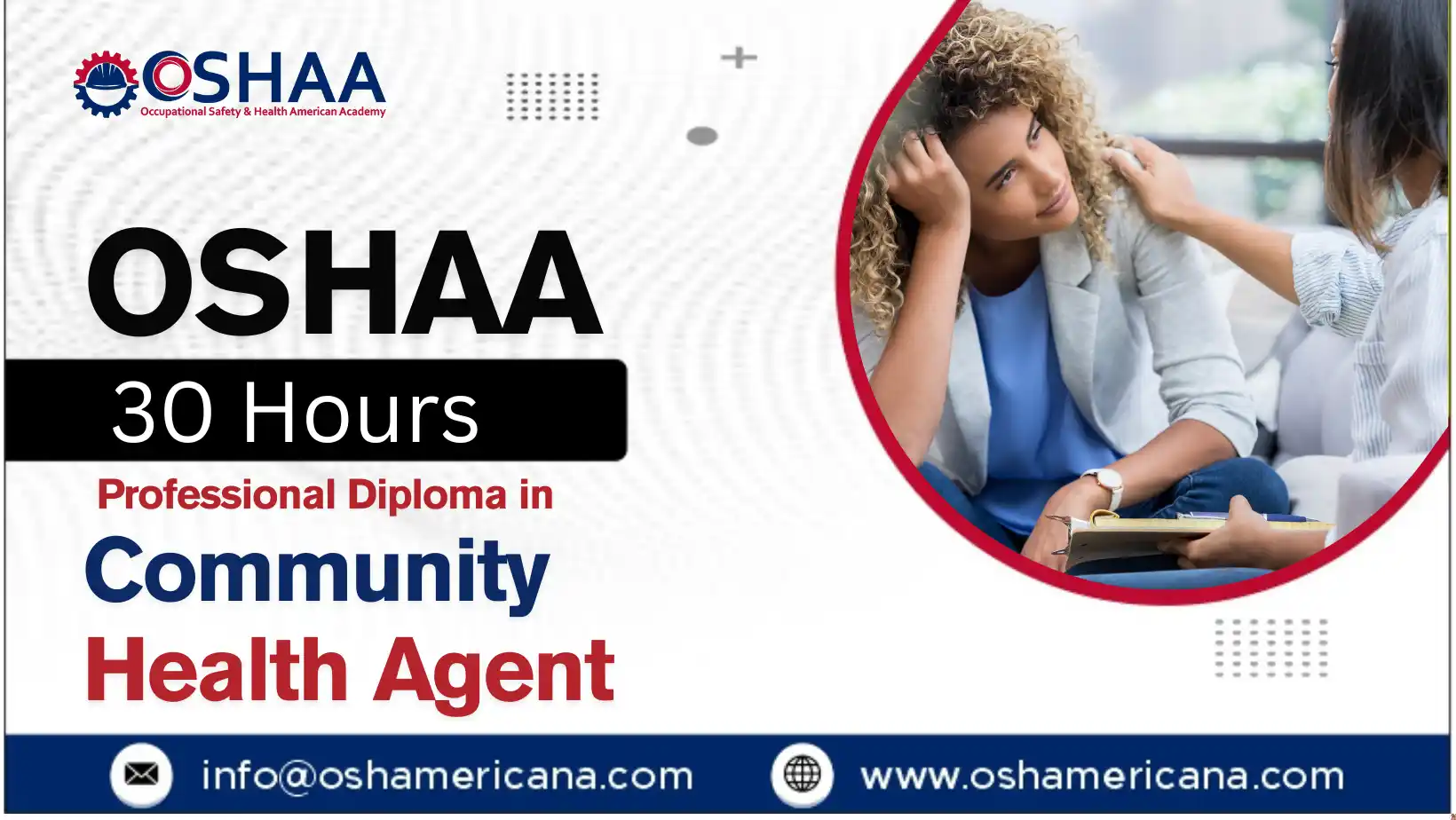
Community health plays a crucial role in improving the wellbeing of individuals and families across diverse settings. The OSHAA 30-Hours Professional Diploma in Community Health Agent provides comprehensive training for those who wish to support health promotion and disease prevention within their local communities. This practical and professionally designed course equips participants with the core skills needed to work effectively as frontline advocates of health and wellness.
The diploma introduces participants to the foundations of community health, including understanding social determinants, identifying health needs, and applying basic public health principles. Participants learn to promote healthy behaviours, facilitate access to services, and act as a bridge between healthcare providers and the public.
A key focus of the diploma is empowering participants to play a proactive role in reducing health inequalities. The training emphasises the importance of early intervention, community-based care, and collaboration with health professionals and organisations to achieve sustainable outcomes.
Upon successful completion, participants will be well-prepared to contribute to public health efforts through roles in healthcare outreach, social services, and grassroots health promotion. The qualification supports career development in various community health settings and enhances participants’ ability to make a meaningful impact in the lives of others.
OSHAA 30-Hours Professional Diploma in Community Health Agent
- Age: 18 years or older
- Education: Minimum high school or equivalent; prior diplomas or certificates in healthcare, social work, or community services are advantageous
- Language: Basic English proficiency to understand course content and community health practices
- Experience (Optional): Previous experience in healthcare, volunteering, or community outreach is helpful but not mandatory
Study Units
Learning Outcomes
Introduction to Community Health and Public Health Principles (3 hours)
- Understand the key concepts of community health and public health
- Recognise the goals and importance of population-based health initiatives
- Identify the role of prevention and early intervention in community settings
- Explore how community health agents contribute to overall public health outcomes
Understanding Social Determinants of Health (3 hours)
- Define social determinants and their impact on individual and community wellbeing
- Identify economic, environmental, and social factors affecting health access and equity
- Analyse the relationship between health disparities and community support systems
- Explore ways to address and reduce inequalities through community health efforts
Health Promotion and Disease Prevention Strategies (4 hours)
- Learn foundational principles of health promotion and preventive care
- Identify common community-based interventions for chronic and infectious diseases
- Understand the role of education, advocacy, and behaviour change in disease prevention
- Develop strategies to encourage healthier lifestyles in diverse populations
Roles and Responsibilities of a Community Health Agent (6 hours)
- Understand the scope of practice and essential functions of a community health agent
- Learn to support health outreach programmes and deliver community services
- Explore responsibilities in advocacy, referrals, education, and follow-up care
- Build professional awareness of ethical boundaries, accountability, and collaboration
Effective Communication and Health Education Techniques (5 hours)
- Develop strong communication skills for engaging with individuals and groups
- Understand how to convey health information in a clear, culturally sensitive manner
- Learn to design and deliver basic health education sessions
- Explore strategies for improving health literacy and encouraging participation
Cultural Competence and Community Engagement (3 hours)
- Understand the importance of cultural awareness in community health
- Learn to build trust and rapport within diverse and marginalised populations
- Identify culturally appropriate approaches to outreach and education
- Explore engagement methods to enhance community involvement and support
Basic Health Assessment and Screening Skills (3 hours)
- Learn basic techniques for observing and identifying potential health concerns
- Understand the use and interpretation of common community health screening tools
- Gain confidence in conducting simple assessments and referring to professionals
- Understand safety protocols and confidentiality in health screening activities
Supporting Vulnerable Populations and Access to Care (3 hours)
- Identify challenges faced by vulnerable groups in accessing health services
- Explore strategies to improve access, inclusion, and support
- Understand the community health agent’s role in advocating for marginalised individuals
- Learn to collaborate with service providers to coordinate effective care pathways
- Comprehensive Community Health Knowledge: Learn the principles of public health, disease prevention, and community wellness.
- Practical Field Skills: Gain hands-on experience in health promotion, outreach programs, and basic medical support.
- Enhanced Communication & Education Skills: Develop abilities to educate communities on health practices and hygiene.
- Emergency Preparedness: Learn to respond effectively to public health emergencies and provide first-line support.
- Professional Development: Strengthen expertise in healthcare delivery, public health initiatives, and community engagement.
- Career Advancement: Open opportunities in healthcare agencies, NGOs, public health programs, and community outreach roles.
- Recognized Certification: Receive a diploma aligned with professional standards for community health agents.
- Empowerment Tools: Gain actionable strategies to improve community health and wellness outcomes.
The OSHAA 30-Hours Professional Diploma in Community Health Agent is designed for:
- Participants interested in contributing to community health, wellbeing, and outreach
- Aspiring
- public health professionals seeking careers in health promotion or social care
- Volunteers and support workers involved in community-based health initiatives
- Health advocates aiming to reduce inequalities and promote healthier lifestyles
- Healthcare, education, or social service professionals looking to expand community engagement skills
- NGO, local authority, or charity workers focused on health access and community support
- Individuals passionate about empowering communities through education, prevention, and inclusive care
This course is suitable both for those beginning a career in community health and for experienced individuals looking to enhance their qualifications with a recognised diploma.