Master Life-Saving Skills: International Lifeguard Diploma
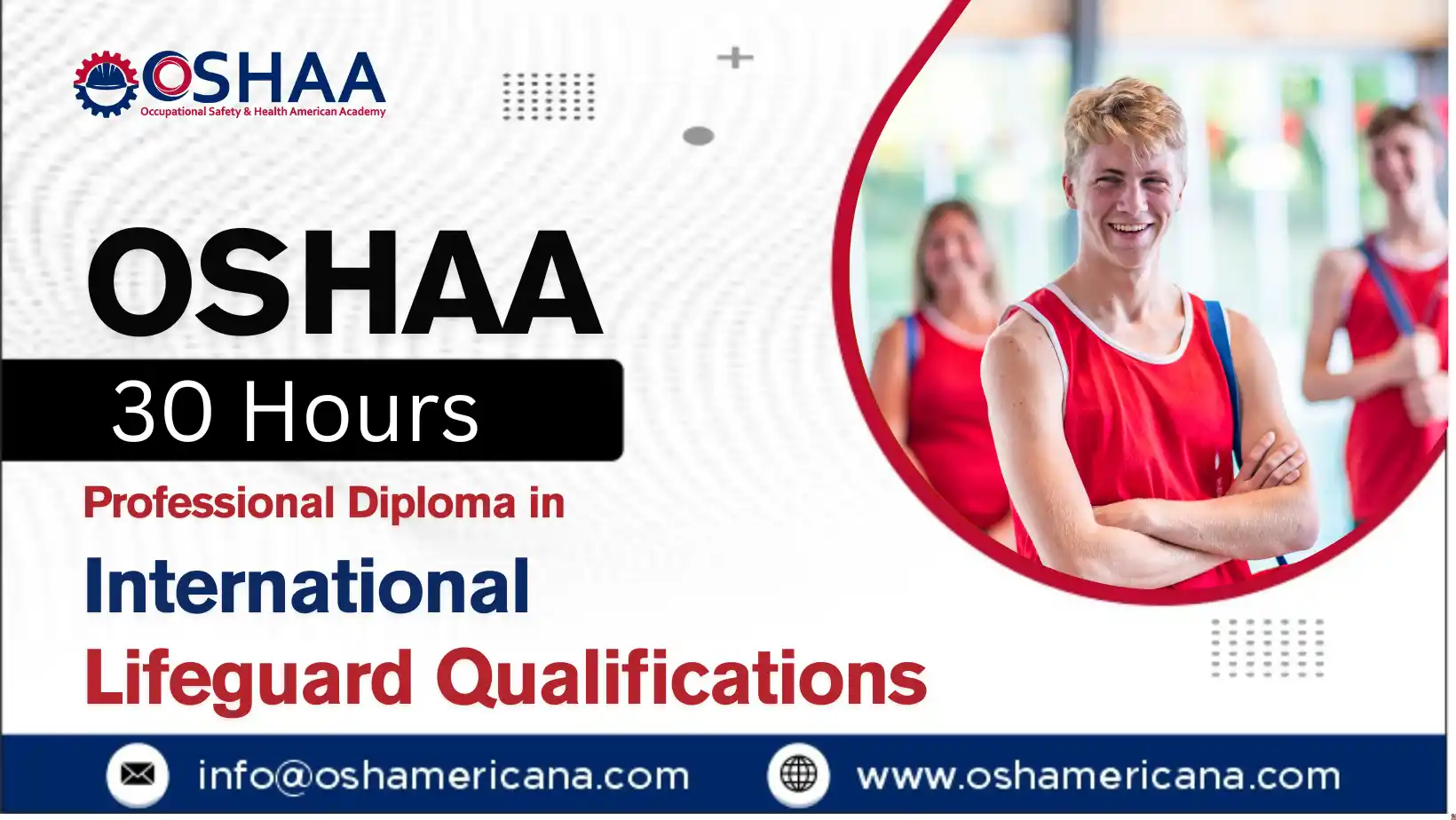
The OSHAA 30-Hours Professional Diploma in International Lifeguard Qualifications is a comprehensive training programme designed to equip participants with the essential skills, knowledge, and confidence required to perform lifeguarding duties across a wide range of aquatic environments worldwide. Developed in line with internationally recognised safety and rescue standards, this qualification prepares participants for professional roles in swimming pools, beaches, open water venues, water parks, and recreational facilities.
The programme offers a balanced blend of theoretical understanding and practical application. Participants gain in-depth knowledge of hazard identification, surveillance techniques, accident prevention, and effective water rescue methods. Training also covers cardiopulmonary resuscitation (CPR), first aid, and casualty care, ensuring participants can respond quickly and competently during emergencies. Scenario-based exercises and hands-on equipment training further enhance real-world readiness and decision-making under pressure.
A key focus of the diploma is adaptability, enabling participants to adjust rescue techniques and safety practices according to varying environmental conditions, operational settings, and international safety expectations. Upon completion, participants are well prepared to uphold high standards of professionalism, deliver effective rescue responses, and contribute to safe aquatic operations. This qualification supports career progression and opens opportunities with employers seeking skilled lifeguards trained to global standards.
OSHAA 30-Hours Professional Diploma in International Lifeguard Qualifications
- Age: 18+ years
- Education: High school or equivalent recommended
- Swimming Ability: Must be a confident swimmer and able to perform basic water rescues
- Language: Basic English comprehension
- Experience: Not required, but prior water safety knowledge is a plus
Study Units
Learning Outcomes
Introduction to International Lifeguard Qualifications and Global Safety Standards (2 Hours)
- Understand the scope and objectives of the International Lifeguard qualification
- Recognise global safety standards and regulatory frameworks for lifeguarding
- Identify the core competencies required for international aquatic safety roles
Roles, Responsibilities, and Professional Conduct of an International Lifeguard (3 Hours)
- Define the primary duties and expectations of lifeguards in diverse environments
- Apply professional behaviour and ethical standards in lifeguard practice
- Demonstrate accountability and operational discipline in safety-critical situations
Aquatic Safety Operations, Hazard Identification, and Risk Management (4 Hours)
- Conduct safety checks and operational inspections across various aquatic facilities
- Identify and assess hazards in pools, beaches, and open water locations
- Implement risk management strategies to minimise accidents and incidents
Environmental Awareness: Pools, Beaches, and Open Water Conditions (3 Hours)
- Analyse environmental factors affecting safety in different aquatic settings
- Recognise the impact of weather, tides, and water conditions on swimmer safety
- Adapt safety measures to suit specific environments and conditions
Surveillance Techniques and Incident Prevention Strategies in Diverse Settings (3 Hours)
- Apply effective observation and scanning techniques in varied aquatic environments
- Detect early warning signs of potential hazards and emergencies
- Implement proactive strategies to prevent incidents before they occur
Water Rescue Skills and Specialist Equipment Handling (5 Hours)
- Perform a range of rescue techniques suited to different aquatic environments
- Operate rescue equipment such as buoys, boards, and throw lines effectively
- Safely recover and assist casualties in controlled and uncontrolled settings
Cardiopulmonary Resuscitation (CPR), First Aid, and Casualty Care in Varied Environments (5 Hours)
- Deliver CPR for adults, children, and infants following recognised guidelines
- Apply first aid for common aquatic injuries and medical emergencies
- Provide casualty care tailored to environmental conditions until medical help arrives
Emergency Response Procedures and Incident Management Worldwide (3 Hours)
- Activate and follow emergency action plans across different jurisdictions
- Coordinate rescue operations in multi-casualty and complex scenarios
- Maintain accurate and detailed incident documentation
Communication Skills, Team Coordination, and Cross-Cultural Public Interaction (2 Hours)
- Communicate clearly and effectively in high-pressure situations
- Collaborate with team members and emergency services from different cultural backgrounds
- Interact with the public respectfully and professionally across diverse environments
This professional diploma provides hands-on training, practical knowledge, and internationally recognized certification to respond effectively in water rescue situations.
- Master Water Rescue Techniques: Learn lifesaving skills, swimming rescues, and emergency response in pools, beaches, and open water.
- Hands-On Practical Training: Gain real-life experience through drills, simulations, and emergency scenarios.
- Boost Career Opportunities: Enhance your profile for roles in lifeguarding, water safety, and emergency response internationally.
- Improve Safety Preparedness: Equip yourself to prevent accidents and respond quickly to water emergencies.
- Build Confidence in Critical Situations: Apply your knowledge calmly and effectively to save lives in aquatic emergencies.
This course is ideal for anyone looking to develop professional water safety and rescue skills. It’s perfect for aspiring lifeguards, water sports instructors, and professionals responsible for aquatic safety in pools, beaches, or recreational facilities.
- Aspiring Lifeguards: Individuals aiming to start a career in lifeguarding or water rescue.
- Water Sports & Recreation Instructors: Coaches, trainers, and instructors working in aquatic activities.
- Pool & Beach Safety Personnel: Staff responsible for maintaining safety in pools, resorts, or coastal areas.
- Emergency Response Professionals: Paramedics, rescue teams, and safety officers seeking water rescue expertise.
- Parents & Aquatic Enthusiasts: Anyone wanting advanced skills to respond to water emergencies confidently.