Unlock Advanced Strategies with the Diploma in Child Language Development
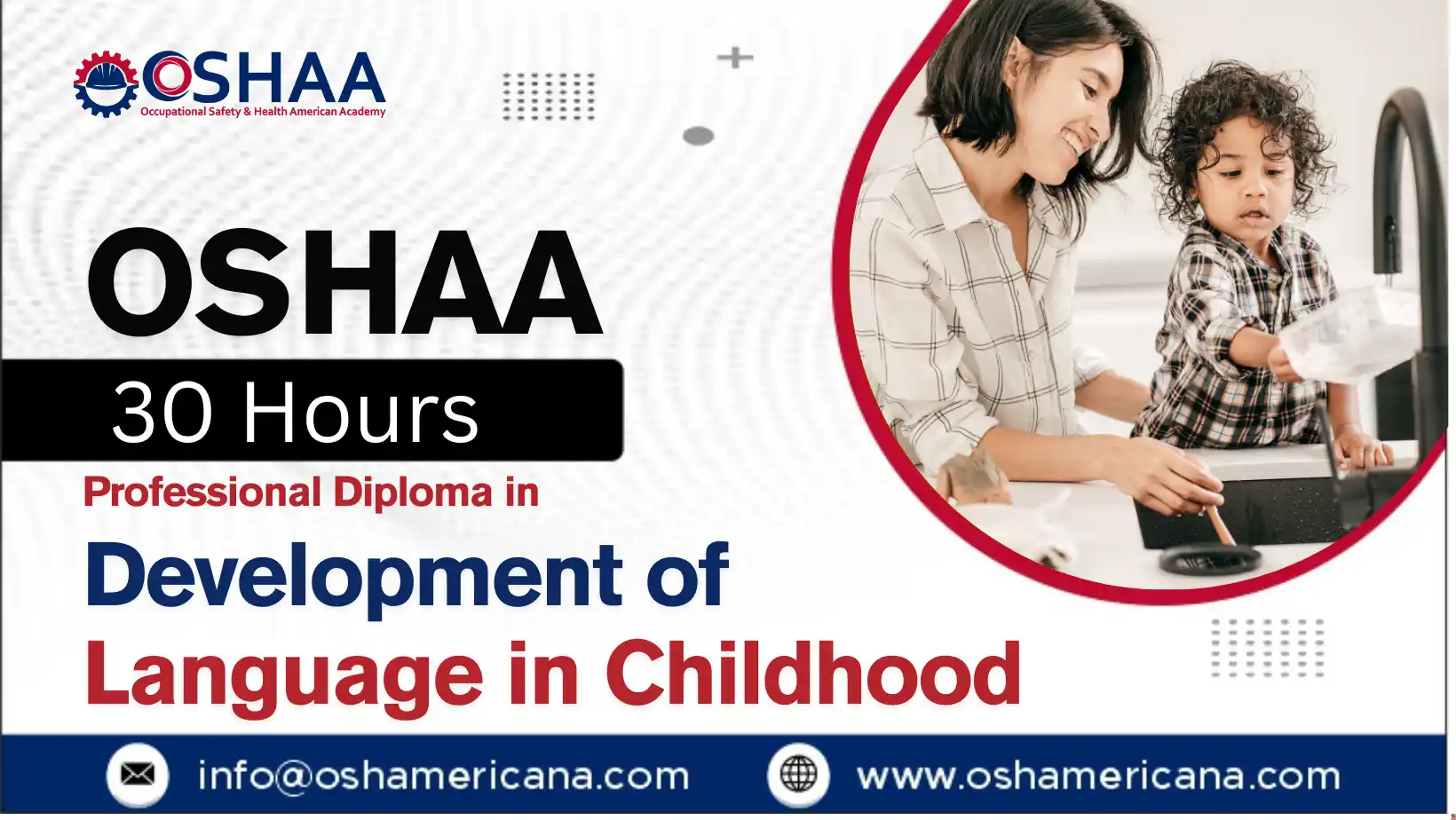
The OSHAA 30-Hours Professional Diploma in Development of Language in Childhood is a specialised training programme that explores how language evolves during the early years of life. This professionally designed diploma equips participants with a comprehensive understanding of the cognitive, social, and environmental influences that contribute to children’s language acquisition and communication development.
Language development is a fundamental aspect of childhood that significantly influences cognitive growth, academic achievement, and social interaction. This diploma introduces participants to the core theories and stages of language development from infancy through early school years. It provides valuable insight for those working with children in educational, clinical, or care-based settings, focusing on both typical and delayed language progression.
Over 30 guided hours, this course offers structured learning through evidence-based theory, developmental psychology, and applied communication strategies. Participants will examine how children acquire, comprehend, and use language in various contexts, and how to identify and support developmental challenges. The course blends theoretical content with practical techniques for fostering language growth and enhancing early intervention efforts.
The OSHAA 30-Hours Professional Diploma in Development of Language in Childhood offers an accessible, in-depth exploration of how children acquire and use language. Participants benefit from a curriculum grounded in academic research and real-world practice, ensuring they are well-equipped to support children’s communication needs in a variety of settings.
Upon completing the diploma, participants may choose to advance into more specialised areas such as speech and language therapy, early intervention, child psychology, or educational support services. The course also lays a strong foundation for further academic study in child development or language sciences.
OSHAA 30-Hours Professional Diploma in Development of Language in Childhood
- Educational Background: Basic knowledge of child development, psychology, or health sciences.
- Target Audience: Teachers, early childhood educators, speech therapists, healthcare professionals, and psychology students.
- Age Requirement: Minimum age of 18 years.
- Prerequisites: No advanced qualifications required; open to motivated learners.
Study Units
Learning Outcomes
Introduction to Language Development in Childhood (3 Hours)
- Understand the importance of language development in early childhood
- Identify key components of language including speech, comprehension, and communication
- Recognise the stages of early communication development
Theories of Language Acquisition and Learning (4 Hours)
- Compare major theories of language development, including behaviourist and cognitive models
- Understand the role of innate ability versus environmental input in language learning
- Apply theoretical perspectives to real-life language development scenarios
Milestones in Early Communication: Birth to Age 5 (4 Hours)
- Identify typical speech and language milestones from infancy through early childhood
- Recognise age-appropriate variations in language development
- Understand how to observe and monitor communication progress
Environmental and Social Influences on Language (3 Hours)
- Explain how family interaction, play, and social exposure affect language learning
- Identify factors such as socioeconomic background and parental involvement
- Evaluate the impact of screen time and digital media on language development
Language and Cognitive Development Interconnection (6 Hours)
- Understand how language supports cognitive growth and learning processes
- Explore the relationship between speech, memory, attention, and problem-solving
- Analyse how communication difficulties can affect academic and social development
Identifying and Supporting Language Delays (5 Hours)
- Recognise common signs of delayed or atypical language development
- Learn methods of early screening and referral for professional assessment
- Apply strategies to support children with identified speech or language needs
Multilingualism and Language Diversity in Early Years (3 Hours)
- Understand the differences between monolingual, bilingual, and multilingual development
- Address misconceptions about language mixing and delay in multilingual children
- Explore inclusive practices to support language diversity in early learning environments
Working with Parents and Professionals in Language Support (2 Hours)
- Communicate effectively with families about language development concerns
- Collaborate with professionals such as speech therapists and educators
- Support the creation of consistent language learning strategies across home and care settings
Course Benefits – OSHAA 30-Hours Professional Diploma in Development of Language in Childhood
- Comprehensive Knowledge: Understand the stages of language development from infancy through childhood.
- Professional Growth: Strengthen qualifications for careers in education, psychology, speech therapy, and child healthcare.
- Diagnostic Awareness: Learn to identify delays or disorders in language development at an early stage.
- Practical Application: Gain strategies to support children’s communication skills in classrooms, clinics, and homes.
- Global Recognition: Structured to UK standards, making it valuable internationally.
- Career Advancement: Adds credibility to CVs and supports progression in child development and education fields.
- Research Opportunities: Opens pathways for academic and clinical studies in language acquisition.
- Confidence Building: Enhances decision-making when working with children who have diverse communication needs.
- Flexible Learning: The 30-hour format allows learners to balance study with work or personal commitments.
- Awareness Development: Helps professionals understand the social and emotional impact of language on childhood learning.
- Foundation for Further Study: Serves as a stepping stone for advanced diplomas or degrees in linguistics, psychology, or speech therapy.
- Supportive Skills: Equips learners with tools to collaborate with parents, teachers, and healthcare providers in fostering language growth.
The OSHAA 30-Hours Professional Diploma in Development of Language in Childhood is designed for participants who work with or support young children in educational, clinical, or care environments. It is particularly suitable for:
- Teachers & Educators: Those working in early childhood or primary education.
- Speech Therapists: Professionals supporting children with communication challenges.
- Healthcare Workers: Doctors, nurses, and allied health staff interested in child development.
- Psychology & Education Students: Learners preparing for advanced studies in child psychology or linguistics.
- Researchers: Individuals focusing on language acquisition and developmental studies.
- Parents & Caregivers: Adults who want structured knowledge to better support children’s language growth.
This diploma is ideal for participants who wish to deepen their knowledge, strengthen their practice, and contribute meaningfully to children’s communication development during the most critical years of growth.